
At Rosana Empowerment Foundation (REF), we recognize that environmental sustainability is directly linked to economic stability, food security, and community wellbeing. Community-led reforestation in Northern Nigeria is not only an environmental necessity but also a strategic pathway toward sustainable development.
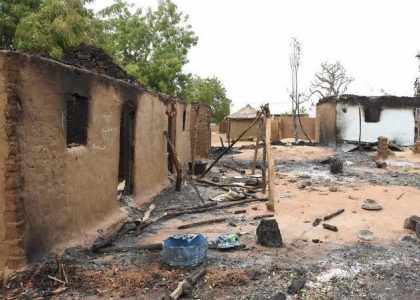
Northern Nigeria faces serious environmental challenges. Desertification, deforestation, soil erosion, and climate change impacts have reduced agricultural productivity and increased poverty levels in many communities. Over time, tree loss has weakened ecosystems, reduced rainfall retention, and contributed to the expansion of arid land.
Reforestation offers a practical solution. When communities take ownership of restoring degraded land, environmental protection becomes sustainable and locally driven.
Environmental Challenges Affecting Community-Led Reforestation
Northern Nigeria lies within the Sahel region, which is highly vulnerable to climate variability. Rising temperatures, irregular rainfall patterns, and prolonged dry seasons have intensified land degradation.
Deforestation remains a major concern. Trees are often cut for firewood, charcoal production, and agricultural expansion. Without structured replacement systems, forest cover continues to decline.
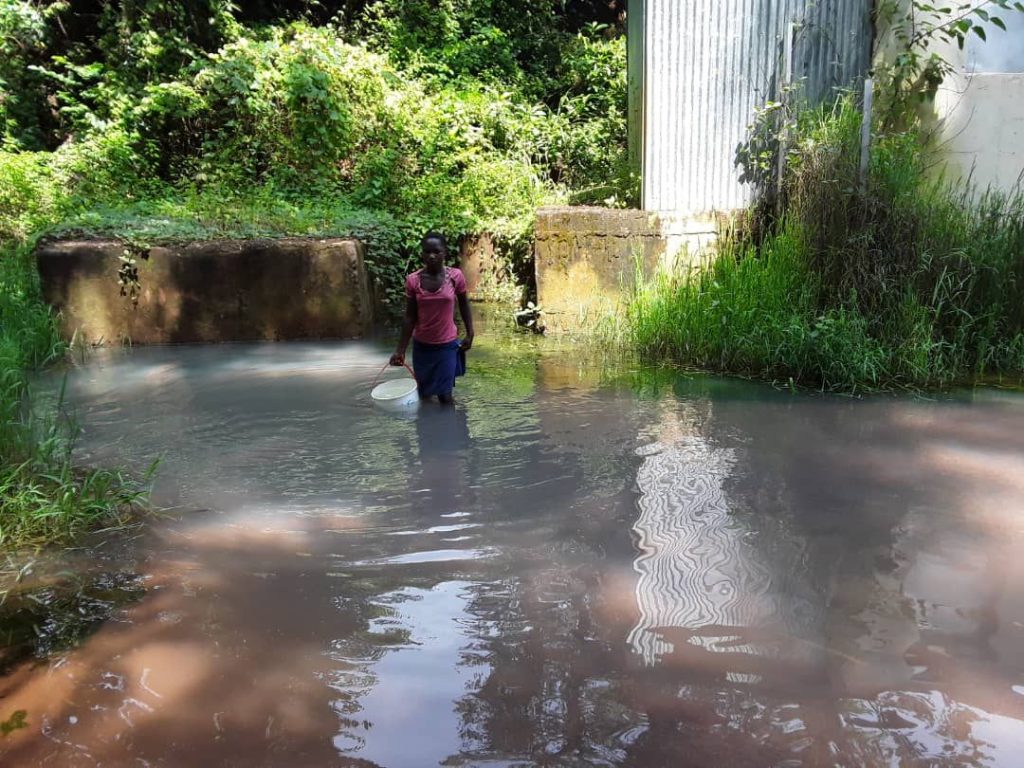
Loss of vegetation exposes soil to erosion. Windstorms remove fertile topsoil. Flooding becomes more severe during rainy seasons. Agricultural yields drop, affecting livelihoods and food availability.
Environmental degradation also contributes to rural-urban migration. As farming becomes less productive, young people leave communities in search of economic opportunities elsewhere.
Addressing these challenges requires long-term ecological restoration supported by local participation.
Why Community-Led Reforestation Matters
Community-led reforestation places local residents at the center of environmental restoration. It moves beyond externally imposed solutions and empowers communities to manage their own natural resources.
This approach strengthens sustainability because:
- Communities protect what they help create
- Local knowledge informs tree selection and land use
- Ownership increases accountability
- Youth participation builds long-term stewardship
When communities understand the economic and environmental value of trees, conservation becomes a shared responsibility.
Economic Impact of Community-Led Reforestation
Reforestation is not only about planting trees. It is about restoring livelihoods.
Trees provide:
- Improved soil fertility
- Increased agricultural productivity
- Fruit and food production
- Timber and non-timber forest products
- Income-generating opportunities
Agroforestry systems, where crops and trees grow together, improve land productivity while protecting the environment. Farmers benefit from shade, reduced soil erosion, and enhanced water retention.
Women also benefit significantly. Access to tree-based enterprises such as fruit processing, shea butter production, and seedling nurseries can increase household income.
By linking environmental restoration with economic opportunity, reforestation reduces poverty while strengthening resilience.
Youth Participation in Community-Led Reforestation
Northern Nigeria has a large youth population. Engaging young people in community-led reforestation creates employment opportunities while fostering environmental responsibility.
Youth-led tree planting initiatives, nursery management programs, and environmental awareness campaigns promote leadership development and skills acquisition.
Green jobs in environmental restoration can include:
- Nursery management
- Seed collection and processing
- Community environmental education
- Land restoration projects
- Climate monitoring initiatives
Empowering youth through environmental action reduces unemployment and strengthens social cohesion.
Women’s Role in Environmental Restoration
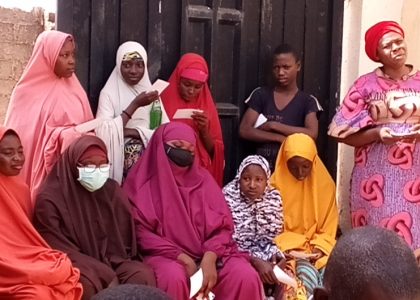
Women play a critical role in managing natural resources. In many rural communities, women collect firewood, fetch water, and engage in small-scale farming.
Involving women in reforestation programs improves sustainability. Women’s cooperatives can manage nurseries, oversee tree planting activities, and monitor forest growth.
Gender-inclusive environmental programs ensure equitable access to benefits and decision-making.

Sustainable Strategies for Community-Led Reforestation
Effective community-led reforestation requires strategic planning and technical guidance.
Key strategies include:
1. Native Tree Species Selection
Planting indigenous species improves survival rates and protects biodiversity. Native trees are adapted to local climate conditions and require less maintenance.
2. Agroforestry Integration
Combining trees with crops and livestock systems enhances productivity and resilience.
3. Community Forest Management Committees
Local governance structures ensure transparency, monitoring, and long-term sustainability.
4. Climate-Smart Techniques
Water harvesting systems, mulching, and soil restoration practices improve tree survival.
5. Capacity Building and Training
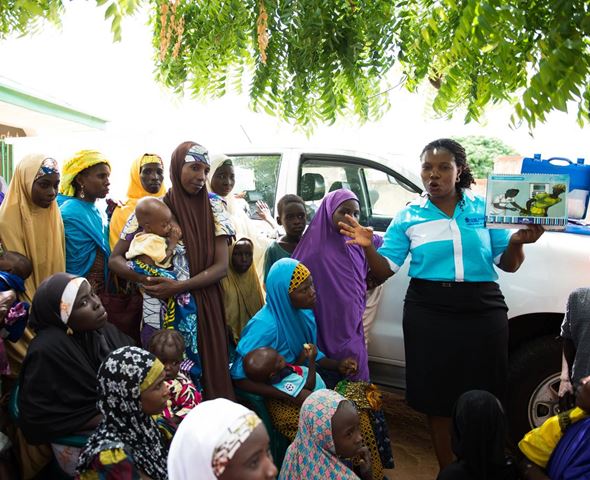
Communities need education on planting techniques, maintenance practices, and environmental protection.
Training ensures that tree planting efforts lead to long-term forest regeneration rather than short-term campaigns.
Community-Led Reforestation and Climate Change Mitigation
Trees play a critical role in absorbing carbon dioxide. Expanding forest cover contributes to climate change mitigation efforts.
Northern Nigeria’s vulnerability to climate shocks makes ecosystem restoration urgent. Reforestation improves microclimates, reduces temperature extremes, and increases rainfall infiltration.
Healthy ecosystems support biodiversity and strengthen natural resilience against climate variability.
Community-led climate action aligns with national and global sustainability commitments.

Policy Support and Institutional Collaboration on Community-Led Reforestation
Successful reforestation requires supportive policy frameworks. Government agencies, local authorities, civil society organizations, and development partners must collaborate.
Policies should:
- Protect restored lands from illegal logging
- Promote sustainable land use practices
- Support access to climate finance
- Encourage community forest ownership rights
- Provide incentives for environmental stewardship
Institutional coordination prevents duplication and ensures resource efficiency.
Addressing Barriers to Community-Led Reforestation
Despite its benefits, reforestation faces challenges:
- Limited funding
- Weak enforcement of environmental laws
- Insecure land tenure systems
- Community distrust due to past failed programs
- Climate variability affecting seedling survival
Overcoming these barriers requires consistent engagement, transparent governance, and long-term commitment.
Short-term planting campaigns without follow-up maintenance often fail. Sustainability depends on continuous monitoring and community ownership.
The Role of Civil Society Organizations
Civil society organizations play an important role in mobilizing communities and providing technical support.
They can:
- Facilitate training workshops
- Provide seedlings and tools
- Conduct environmental awareness campaigns
- Advocate for supportive environmental policies
- Monitor project implementation
Partnership-based approaches increase impact and build trust.
Linking Reforestation to Sustainable Development Goals
Community-led reforestation contributes to multiple development objectives:
- Poverty reduction
- Food security
- Climate action
- Biodiversity protection
- Gender equality
- Decent work opportunities
Environmental sustainability intersects with economic and social development.
Restoring ecosystems strengthens resilience and reduces vulnerability to shocks.
REF’s Commitment to Environmental Sustainability
At Rosana Empowerment Foundation, we integrate environmental protection into our broader development mission. Community-led reforestation aligns with our goals of youth empowerment, women’s inclusion, and sustainable livelihoods.
Our approach emphasizes:
- Community engagement and ownership
- Youth and women participation
- Policy advocacy for environmental protection
- Capacity building and training
- Partnership with government and private sector actors
We believe that environmental sustainability must be locally driven and economically viable.
Reforestation is not only about trees. It is about restoring dignity, resilience, and opportunity.
The Future of Community-Led Reforestation in Northern Nigeria
Community-led reforestation in Northern Nigeria offers a pathway toward environmental recovery and economic transformation.
Sustained progress requires:
- Strong community leadership
- Long-term funding mechanisms
- Transparent governance structures
- Climate-smart agricultural integration
- Inclusive participation of women and youth
- Effective policy enforcement
Northern Nigeria stands at a crossroads. Continued environmental degradation threatens livelihoods and stability. However, with coordinated action and community ownership, restoration is possible.
When communities plant and protect trees, they invest in future generations. They restore land productivity. They create economic opportunity. They strengthen climate resilience.
Environmental protection and human development must move forward together.
At REF, we remain committed to promoting sustainable solutions that empower communities to lead change. Community-led reforestation represents hope, resilience, and a shared responsibility for a greener, more prosperous Northern Nigeria.
#CommunityReforestation #NorthernNigeria #ClimateActionNigeria #SustainableDevelopment #EnvironmentalAdvocacy #REFImpact