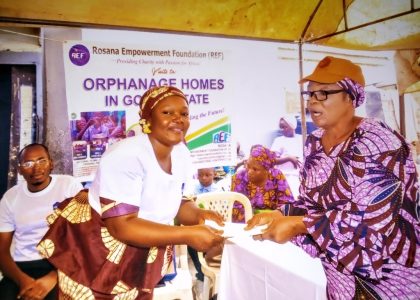

Gender Equality in Nigeria is essential for sustainable development, inclusive governance, and national economic growth. At Rosana Empowerment Foundation (REF), we believe that eliminating gender disparities strengthens institutions, communities, and long-term prosperity. Despite policy progress, structural inequalities continue to limit women’s full participation in leadership, economic activity, and decision-making.
Nigeria is Africa’s largest economy and most populous nation. Women make up nearly half of the country’s population. Yet significant gender gaps remain in leadership, economic participation, education access, political representation, and decision-making. Closing these gaps is not simply about fairness. It is about economic strength, social stability, and national progress.
Understanding Gender Inequality in Nigeria
Gender inequality in Nigeria appears in multiple dimensions.
Women face barriers in political participation. Representation in national and state assemblies remains low compared to global averages. Cultural norms, financial constraints, and structural discrimination continue to limit women’s entry into politics and governance.
Economic inequality also persists. Many women work in informal sectors with limited protection, low income, and little access to finance. Women entrepreneurs often struggle to secure loans due to collateral requirements and discriminatory lending practices.
Education gaps still exist in some regions, particularly in rural and underserved communities. Girls are more likely to drop out of school due to early marriage, poverty, or insecurity.
Health disparities further affect women and girls. Limited access to reproductive healthcare, maternal health services, and gender-sensitive health policies restricts full participation in society.
These systemic barriers require deliberate policy solutions and sustained advocacy.
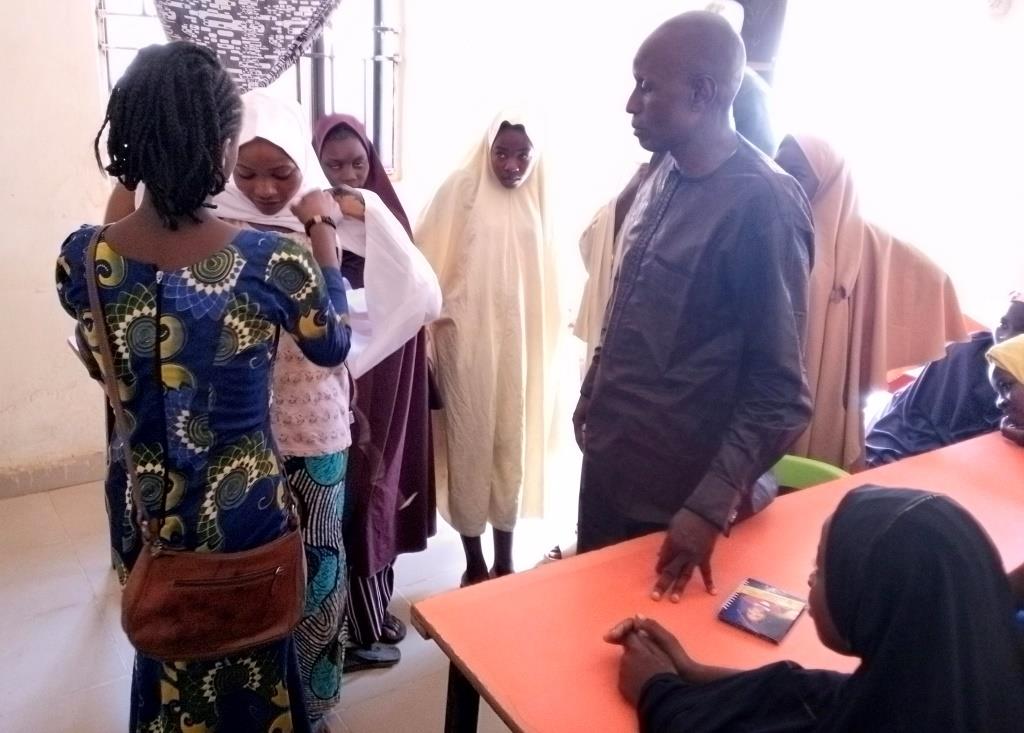
Why Gender Equality in Nigeria Matters for National Development
Gender equality strengthens economies. Studies by the World Bank and UN agencies consistently show that increasing women’s participation in the workforce boosts GDP growth. When women earn income, they reinvest in their families and communities. This improves education outcomes, health indicators, and social stability.
Inclusive governance also leads to better policy decisions. Research shows that diverse leadership teams make more balanced and sustainable decisions. When women participate in governance, issues such as education, healthcare, social protection, and child welfare receive greater attention.
Gender equality also contributes to peace and security. Societies that empower women tend to experience stronger institutions and lower levels of conflict.
Nigeria cannot achieve long-term sustainable development without closing gender gaps.
Policy Gaps Affecting Gender Equality in Nigeria
Policy advocacy plays a central role in advancing gender equality in Nigeria. Advocacy involves influencing laws, institutional frameworks, public policies, and budget allocations to promote fairness and inclusion.
Effective gender policy advocacy includes:
- Engaging lawmakers and policymakers
- Conducting research and policy analysis
- Mobilizing communities and stakeholders
- Raising public awareness
- Monitoring policy implementation
- Holding institutions accountable
Advocacy transforms good intentions into enforceable action.
Nigeria has adopted several policies and frameworks aimed at promoting gender equality. These include national gender policies, commitments to international conventions, and efforts to integrate gender perspectives into development planning. However, implementation gaps remain significant.
REF believes that policy advocacy must move beyond policy creation to focus on enforcement, accountability, and measurable impact.
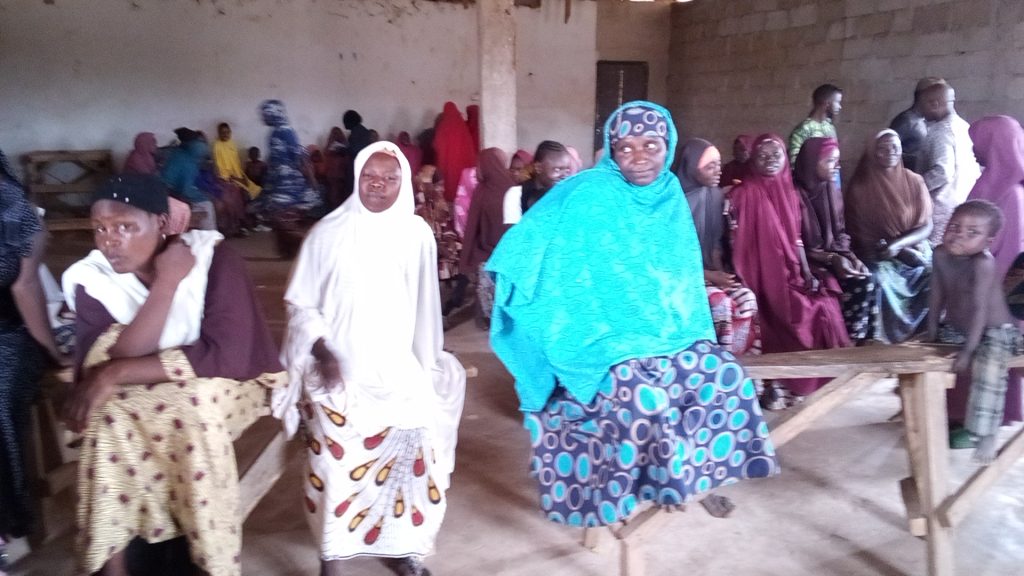
Strengthening Gender Equality in Nigeria Through Advocacy
1. Political Representation and Leadership
Advancing Gender Equality in Nigeria requires political commitment. Women remain underrepresented in political offices across federal, state, and local levels. Policy reforms should address electoral financing barriers, political party nomination processes, and gender quotas where appropriate.
Creating supportive environments for women candidates is essential. This includes protection against political violence, improved access to campaign funding, and capacity-building initiatives.
2. Economic Inclusion and Equal Opportunity
Economic policies must prioritize women’s access to finance, land ownership, and formal employment opportunities. Simplifying business registration processes and expanding microcredit programs can empower women entrepreneurs.
Public procurement policies can also encourage women-owned businesses by reserving a percentage of government contracts for female-led enterprises.
3. Education Equity
Education policy must address regional disparities in girls’ enrollment and retention. Scholarship programs, school safety measures, and community awareness campaigns are critical interventions.
Ensuring access to digital education tools and STEM opportunities prepares girls for future economic participation.
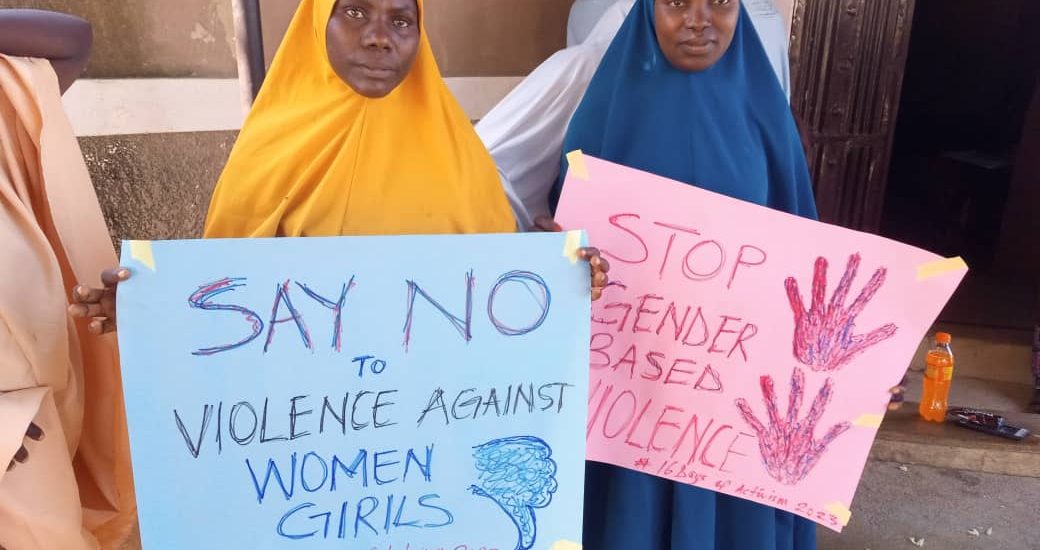
4. Protection Against Gender-Based Violence
Legal frameworks addressing gender-based violence must be strengthened and enforced consistently across all states. Survivor-centered support systems, including shelters and legal aid services, are necessary for meaningful protection.
5. Health and Reproductive Rights
Gender-sensitive healthcare policies ensure access to maternal healthcare, family planning services, and adolescent health education. Improved healthcare access enables women to participate fully in education and the workforce.
The Role of Civil Society in Gender Advocacy
Civil society organizations play a crucial role in advancing gender equality. They bridge the gap between communities and policymakers. They gather grassroots data. They amplify marginalized voices.
REF recognizes that sustainable advocacy requires partnerships. Collaboration with community leaders, youth groups, traditional institutions, government agencies, and private sector actors strengthens reform efforts.
Grassroots engagement ensures that policies reflect lived realities rather than theoretical assumptions.
Youth and Gender Equality in Nigeria
Young people are critical actors in gender transformation. Nigeria has a predominantly youthful population. Integrating gender equality education into youth development programs builds a generation that values inclusion and fairness.
Youth-led advocacy movements have demonstrated strong potential to influence policy discourse. Encouraging young women to pursue leadership roles strengthens long-term representation.
REF integrates youth empowerment with gender advocacy because sustainable change depends on generational mindset shifts.
Monitoring and Accountability
Data-driven strategies strengthen Gender Equality in Nigeria outcomes.
Passing laws is not enough. Monitoring implementation is essential.
Effective accountability mechanisms include:
- Gender-responsive budgeting
- Public expenditure tracking
- Transparent reporting systems
- Independent policy evaluations
- Community oversight structures
Data collection is vital. Without gender-disaggregated data, measuring progress becomes difficult. Policymakers must prioritize evidence-based decision-making.
REF supports transparent monitoring systems that track policy outcomes and identify areas needing reform.

Engaging Traditional and Cultural Institutions in Gender Equality in Nigeria
Cultural norms significantly influence gender dynamics in Nigeria. Policy advocacy must respect cultural contexts while promoting rights and inclusion.
Engaging traditional leaders, religious institutions, and community influencers encourages broader acceptance of gender reforms. Dialogue-based advocacy reduces resistance and fosters community ownership.
Lasting transformation requires cultural alignment alongside legal reform.
Gender Equality in Nigeria and Private Sector Engagement
The private sector is a powerful partner in promoting gender equality.
Companies can adopt policies that support equal pay, parental leave, leadership diversity, and safe workplace environments. Corporate social responsibility programs can invest in women’s entrepreneurship and skills development.
Public-private partnerships can expand access to finance, digital training, and employment opportunities for women.
Economic empowerment strengthens advocacy outcomes.
Challenges to Gender Advocacy in Nigeria
Despite progress, challenges remain:
- Limited political will
- Inconsistent policy enforcement
- Cultural resistance
- Funding constraints
- Inadequate data systems
- Security concerns in some regions
Overcoming these challenges requires coordinated effort, sustained funding, and long-term commitment.
Advocacy is not a short-term campaign. It is a continuous process.
REF’s Commitment to Gender Equality in Nigeria and Policy Advocacy
Sustainable Gender Equality in Nigeria depends on policy enforcement. At Rosana Empowerment Foundation, gender equality is integrated into all our programmes. We believe advocacy must combine research, community engagement, leadership development, and institutional collaboration.
Our approach includes:
- Policy dialogue and stakeholder engagement
- Capacity building for women leaders
- Community sensitization programmes
- Research and position papers
- Partnerships with government and civil society
- Youth inclusion initiatives
REF promotes practical solutions that translate policy frameworks into measurable impact.
The Link Between Gender Equality in Nigeria and the SDGs
Investment in Gender Equality in Nigeria accelerates SDG progress. Nigeria’s progress toward the Sustainable Development Goals depends heavily on gender equality. Goal 5 focuses specifically on achieving gender equality and empowering all women and girls. However, gender equality also intersects with poverty reduction, quality education, decent work, health, climate action, and peacebuilding.
Investing in women accelerates progress across multiple development indicators.
Gender equality is not a standalone issue. It is a cross-cutting development priority.
The Future of Gender Equality in Nigeria
Achieving gender equality and effective policy advocacy in Nigeria requires:
- Strong political commitment
- Inclusive policy formulation
- Community participation
- Transparent implementation
- Sustainable funding
- Continuous monitoring
Government institutions must collaborate with civil society and private sector actors to ensure lasting change.
Nigeria stands at a critical development stage. With its large population and growing economy, inclusive growth is both a necessity and an opportunity.
When women and girls are empowered, economies grow. Communities stabilize. Governance improves. Innovation increases. Social cohesion strengthens.
Gender equality is not a favor to women. It is an investment in national prosperity.
Conclusion
Gender equality and policy advocacy in Nigeria are fundamental pillars of sustainable development. Removing systemic barriers and promoting inclusive policies will unlock the full potential of the nation’s human capital.
At Rosana Empowerment Foundation (REF), we remain committed to advancing reforms that create equitable opportunities for women and girls across all sectors. Through advocacy, partnerships, education, and community engagement, we strive to build a Nigeria where leadership, opportunity, and economic participation are not determined by gender.
An inclusive Nigeria is a stronger Nigeria. A just Nigeria is a prosperous Nigeria. The path forward requires courage, collaboration, and commitment.
Together, we can build a future where equality is not aspirational but operational.
#GenderEqualityNigeria #PolicyAdvocacy #WomenEmpowerment #InclusiveGovernance #REFAdvocacy #SustainableDevelopmentNigeria