


A Foundation for Inclusive Growth and National Development
Women Leadership Nigeria is critical to national development, economic growth, and inclusive governance. At Rosana Empowerment Foundation (REF), we believe that strengthening women’s participation in leadership across business, politics, and community development is essential for sustainable progress. Despite improvements in gender inclusion, women in Nigeria still face structural barriers that limit leadership opportunities and economic advancement.
As women Leadership Nigeria remains underrepresented in decision-making, empowerment is the key to unlocking the full contributions of women. When women lead and participate fully in the economy, society benefits. Research shows that gender equality is not only a moral imperative, it is an economic one. Countries that invest in women’s leadership and economic empowerment experience stronger growth, greater innovation, and more resilient communities.
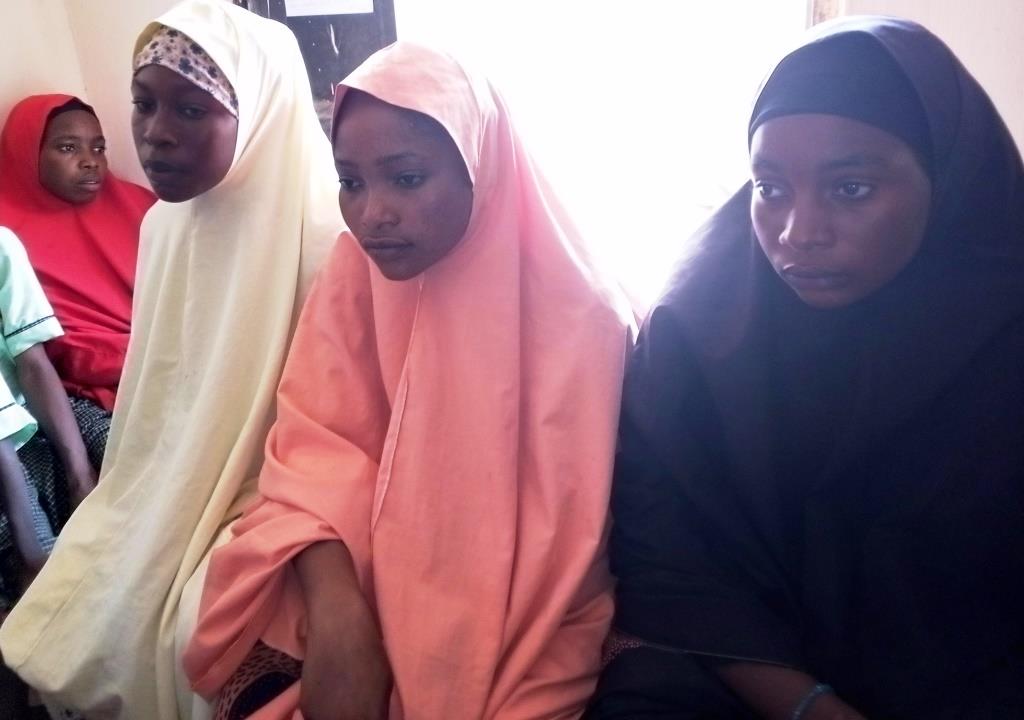
Understanding the Landscape: Women in Nigeria Today
Nigeria is roughly evenly divided between men and women, with women accounting for nearly 50% of the population. Their contributions are visible across all sectors: in agriculture, health, business, arts, public service, and the informal economy. Yet their representation in leadership roles remains low compared to their population share.
Learn more about REF’s women empowerment programs that support leadership and economic growth.
Leadership Gaps and Gender Inequality
Across the public sector, private sector, and civil society, women are underrepresented in decision‑making positions. In political leadership, women occupy a small fraction of legislative seats and executive roles. In corporate boardrooms, women’s representation remains limited. These gaps are not due to lack of talent; they stem from systemic barriers that constrain women’s access to education, finance, mentorship, and networks.
Why Women Leadership Nigeria Drives Economic Transformation
Despite their significant roles in Nigeria’s workforce, women face hurdles in securing quality employment and entrepreneurial opportunities. Women often shoulder disproportionate caregiving responsibilities, and many enter the informal sector, where income is uncertain and benefits are limited. Lack of access to finance, markets, and business networks limits women’s ability to scale enterprises and participate meaningfully in high‑growth industries.
These realities underline why targeted strategies for women’s economic empowerment are urgently needed.
Why Women Leadership Nigeria Matters for Economic Growth
Women’s empowerment is not a women’s issue, it is a national necessity. When women are empowered economically and socially:
- Families benefit. Evidence shows that women reinvest a significant portion of their income into children’s health, education, and nutrition.
- Communities prosper. Women’s leadership often leads to stronger community outcomes and inclusive decision‑making.
- National economies grow. Closing gender gaps in the workforce and entrepreneurship expands the tax base and promotes sustainable economic growth.
- Inequality decreases. When women have access to opportunities, income disparities narrow and social mobility increases.
Economic empowerment starts with enabling women to lead. Women bring distinct perspectives, priorities, and solutions that benefit entire societies.
Key Strategies for Women’s Economic Empowerment
REF advocates a comprehensive approach to women’s leadership and economic empowerment, grounded in evidence and tailored to Nigeria’s context. The following strategies are critical to unlocking women’s full potential:
1. Access to Quality Education and Skills Training
Education remains the cornerstone of empowerment. When women and girls have access to quality learning opportunities, from primary schooling to tertiary and vocational education, they gain the knowledge and confidence needed to succeed.
Beyond traditional education, skills training in areas such as financial literacy, digital technology, and entrepreneurship equips women with practical tools for the modern economy. As sectors like e‑commerce, fintech, and digital communication expand, digital skills training positions women to lead in high‑growth fields.
2. Mentorship, Networks, and Role Models
Women often face isolation in professional settings, especially in male‑dominated industries. Mentorship and networks play a vital role in bridging this gap. Experienced women leaders can guide emerging talent, share insights, and open doors to new opportunities. Leadership networks also create spaces for women to exchange ideas, collaborate, and support one another.
REF supports initiatives that connect women with mentors, industry experts, and professional networks across sectors.
3. Access to Finance and Economic Resources
Access to capital remains one of the most significant barriers to women’s economic empowerment in Nigeria. Traditional lending systems often require collateral that women do not possess. Financial institutions may also charge higher interest rates or impose conditions that exclude women entrepreneurs.
REF advocates for gender‑responsive financial policies, microloan programmes, and grant opportunities designed specifically for women‑led enterprises. These tools help women launch and grow businesses in agriculture, technology, services, and manufacturing.
4. Supportive Policy and Institutional Frameworks
Government policies have the power to level the playing field. REF supports policy reforms that promote equal pay, eliminate discriminatory practices, and ensure women’s participation in leadership roles. This includes advocating for gender parity in public appointments, executive positions, and political representation.
Laws and institutional frameworks should protect women’s rights, expand economic opportunity, and hold institutions accountable for gender equity outcomes.
5. Entrepreneurship Programmes and Business Development Services
Expanding opportunities for Women Leadership Nigeria in entrepreneurship will unlock innovation and job creation across sectors. Programmes tailored to women entrepreneurs strengthen business acumen and competitiveness. Business incubators, startup accelerators, and cooperative initiatives provide training in business planning, market research, financial management, and scaling strategies.
When women entrepreneurs receive targeted support, their businesses are more likely to thrive, create jobs, and contribute to economic growth.
6. Community Awareness and Support for Women’s Leadership
Cultural norms and stereotypes often influence perceptions of women’s roles in society. Community engagement and awareness campaigns help shift attitudes and celebrate women’s achievements. When communities value women’s leadership, barriers such as social stigma, gender bias, and exclusion decrease.
REF supports community dialogues, public awareness campaigns, and media partnerships that highlight the contributions of women leaders and inspire broader societal support.

The Role of Collaboration in Achieving Women’s Empowerment
Achieving gender equality and women’s economic empowerment requires collaboration across sectors. No single actor can accomplish this alone. REF calls on key stakeholders to unite around shared goals:
Government must prioritise women’s economic empowerment in national development plans and budgets. This includes:
- Enforcing anti‑discrimination laws
- Promoting gender‑responsive budgeting
- Ensuring women’s inclusion in public leadership
- Expanding access to childcare and work‑family support systems
Strong political will is essential to institutionalize empowerment initiatives and ensure sustainable impact.
Private Sector Engagement
Businesses have a critical role in creating inclusive workplaces and nurturing women’s career growth. Private sector partners can:
- Implement gender‑responsive hiring and promotion policies
- Support workplace training and leadership development
- Invest in women‑owned businesses through corporate partnerships
When companies advance women’s leadership, they benefit from diverse perspectives that fuel innovation and performance.
Civil Society and Nongovernmental Organisations
Civil society organisations, including REF, serve as advocates, innovators, and implementers of programmes that expand women’s opportunities. These organisations convene stakeholders, deliver training and mentorship programmes, and hold institutions accountable for progress on gender equality.
Together, these sectors can create an ecosystem where women’s leadership and economic empowerment are not exceptions, but norms.
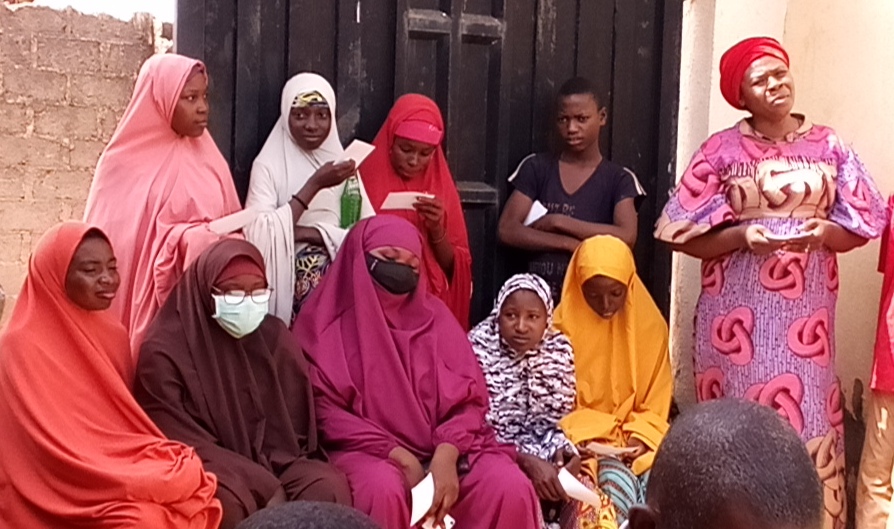
Women’s Empowerment and Sustainable Development Goals
Women’s leadership and economic empowerment are integral to achieving the United Nations Sustainable Development Goals (SDGs). Specifically:
- SDG 1 (No Poverty): Empowered women contribute to poverty reduction through income generation and community development.
- SDG 4 (Quality Education): Investing in girls’ and women’s education strengthens knowledge and skills across generations.
- SDG 5 (Gender Equality): Gender equality is the heart of women’s empowerment, ensuring equal rights, opportunities, and decision‑making power.
- SDG 8 (Decent Work and Economic Growth): Women’s economic participation expands labour productivity and economic inclusivity.
- SDG 10 (Reduced Inequalities): Closing gender gaps in leadership and finance reduces social disparity and fosters fairness.
- SDG 17 (Partnerships for the Goals): Collaboration between government, private sector, and civil society accelerates empowerment outcomes.
Nigeria’s achievement of the SDGs depends on strategies that prioritise women’s leadership, economic access, and social inclusion.
Investing in Women, Investing in Nigeria’s Future
Strengthening Women Leadership Nigeria requires deliberate investment in education, access to finance, and institutional reforms that eliminate gender bias in decision-making spaces. According to UN Women, investing in women leaders accelerates social and economic progress. Women’s leadership and economic empowerment are not optional, they are strategic priorities for national growth, stability, and sustainable development. Empowered women strengthen families, invigorate communities, and contribute meaningfully to Nigeria’s economy.
At REF, we are committed to elevating women through education, skills training, mentorship, financial access, policy advocacy, and community engagement. We stand with women whose voices are rising, whose ideas are transforming industries, and whose leadership is shaping the future.
We call on government, private sector partners, civil society, and community leaders to join us in meaningful action. Together, we can build a Nigeria where women lead with confidence, where opportunity is equitable, and where the nation thrives because every woman has the chance to succeed.
The future of inclusive growth depends on advancing Women Leadership Nigeria through policy reform, economic empowerment, and sustained advocacy.
#WomenInLeadership #EconomicEmpowerment #GenderEquality #WomenEmpowermentNigeria #REFAdvocacy #LeadershipForAll