
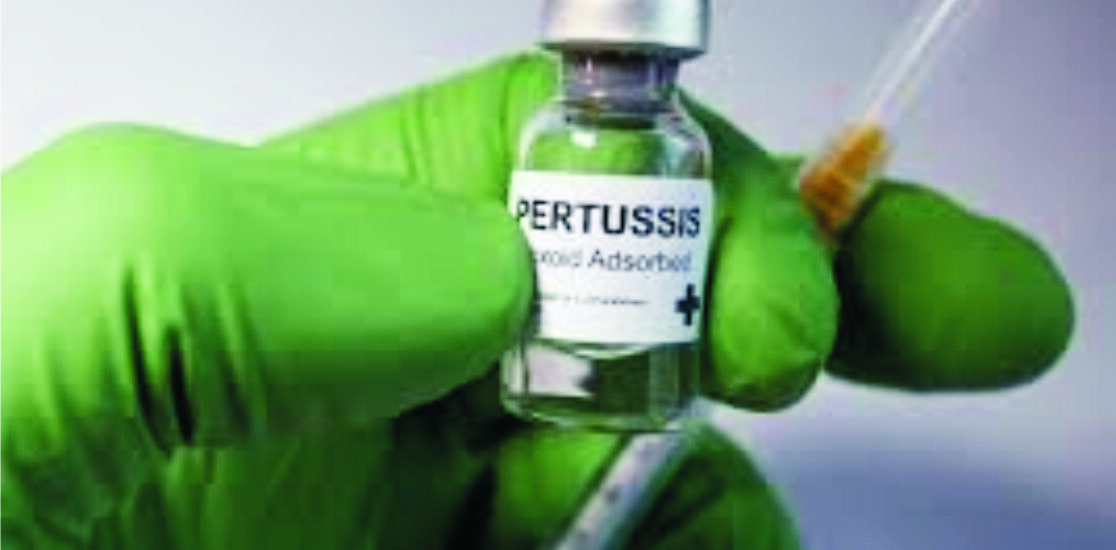
Pertussis in Nigeria: What Every Parent Must Know
After a quiet period during COVID-19, pertussis, also known as whooping cough, is returning in many countries. This is a warning sign for Nigeria.
Although cases are rising in the United States, the reasons behind the resurgence can also affect us. Therefore, Nigeria must stay alert. Though Pertussis is a highly contagious respiratory infection spread through droplets when an infected person coughs or sneezes, it is preventable. However, it returns when vaccination drops.
What Is Pertussis?
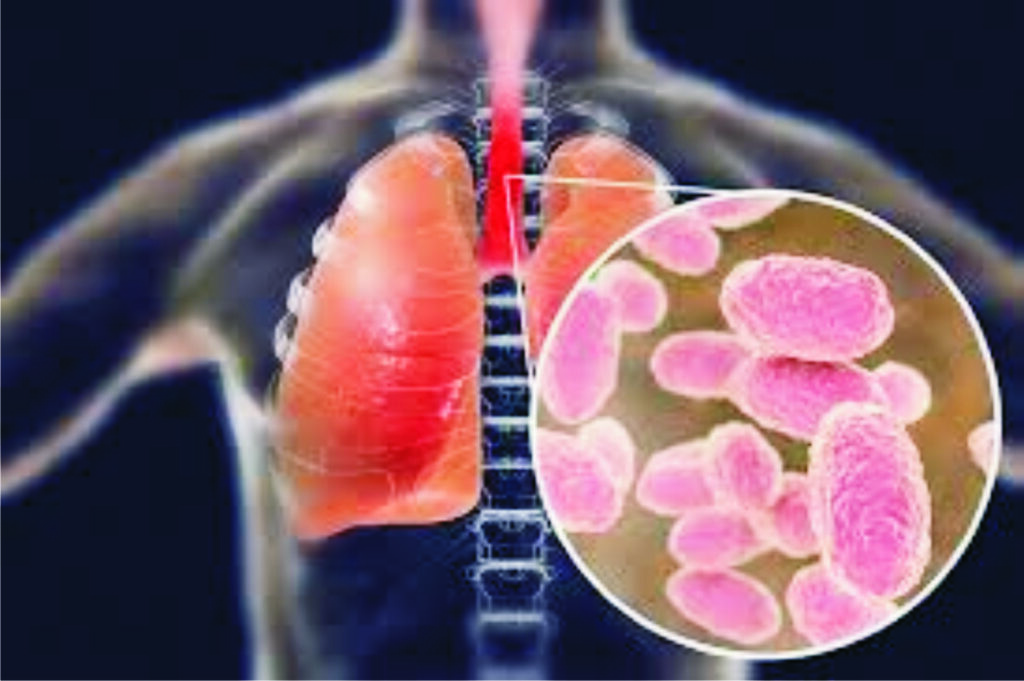
As said above, Pertussis is a serious respiratory infection caused by bacteria. It spreads easily through coughing and sneezing. In fact, most people in a household can become infected if one person has it.
At first, symptoms may look like a common cold. However, the cough becomes severe and uncontrollable. Babies may not make the typical “whoop” sound. Instead, they may struggle to breathe or stop breathing briefly.
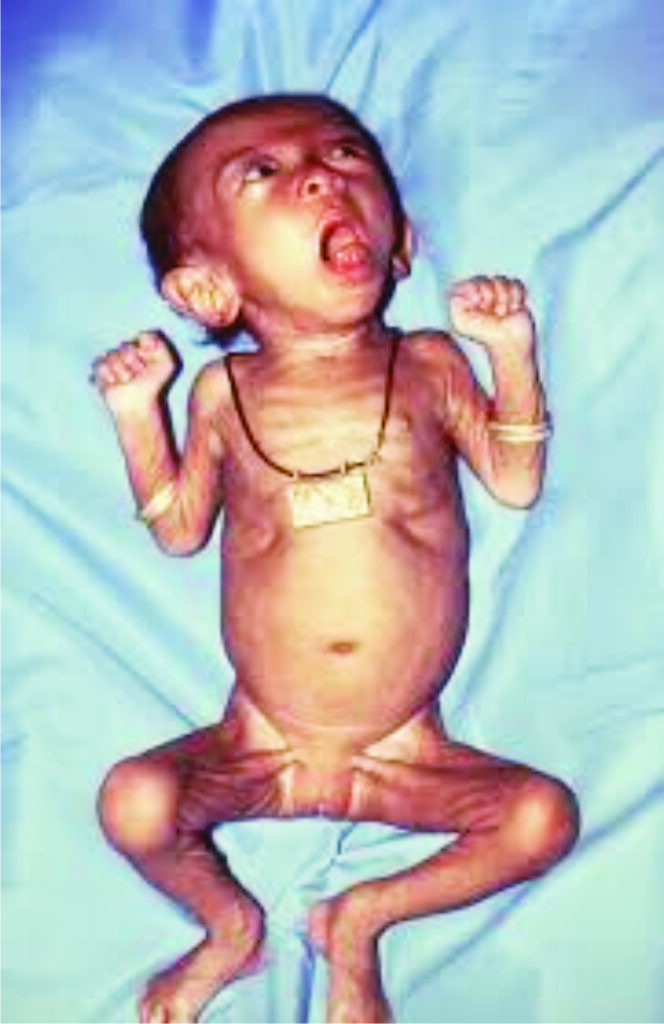
Because of this, infants are at the highest risk. In households, up to 90% of exposed contacts can become infected. For infants, particularly those under six months, the disease can be severe. Babies may not develop the classic “whoop.” Instead, they may choke, struggle to breathe, or pause breathing entirely. Complications include pneumonia, low oxygen levels, brain injury, and even death. Globally, infants account for the vast majority of pertussis-related fatalities.
Why Nigerian Babies Are Vulnerable
Nigeria already faces high infant mortality rates. Therefore, any preventable disease is a serious concern.
Babies under six months are especially vulnerable because:
- They are too young to complete their vaccine doses.
- Their immune systems are still developing.
- They depend on adults for protection.
The Importance of Vaccination
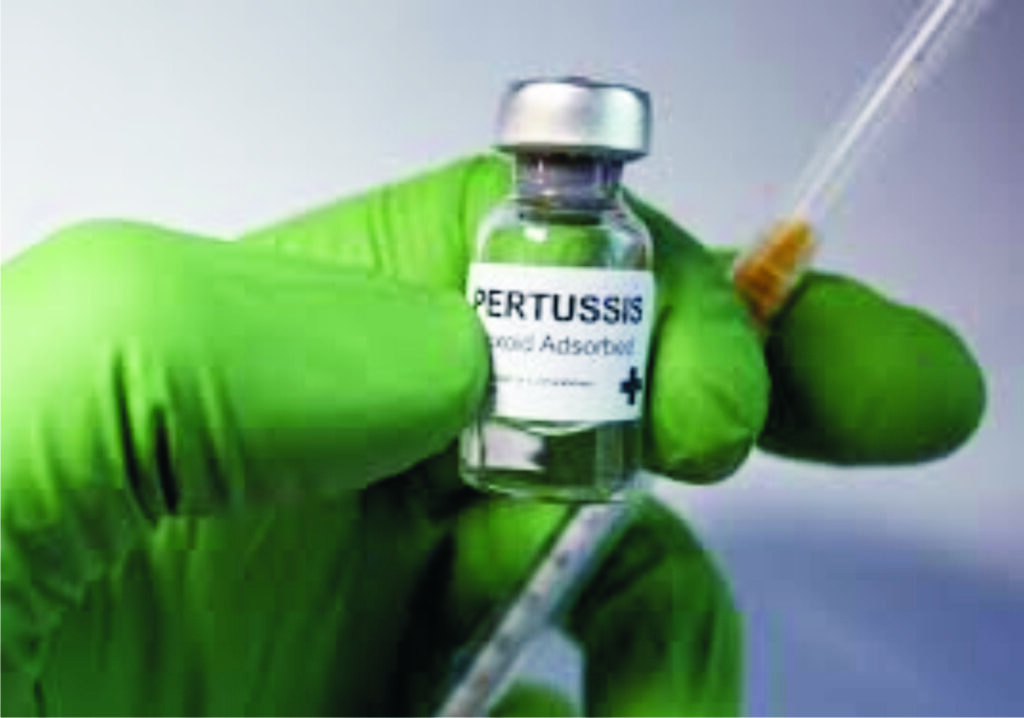
The DTP vaccine protects against diphtheria, tetanus, and pertussis. Children must receive all scheduled doses for full protection.
However, immunity fades over time. That is why booster doses are important.
Most importantly, pregnant women should receive a pertussis vaccine during each pregnancy. As a result, protective antibodies pass to the baby before birth.
Vaccination remains the single most effective way to prevent deaths from whooping cough. If vaccination coverage drops, outbreaks can happen quickly. In addition, misinformation about vaccines makes the situation worse.
- Immunity fades over time. The pertussis vaccine does not provide lifelong protection. Without timely doses and boosters, older children and adults can unknowingly transmit infection to babies.
- Vaccination coverage must stay high. When routine immunization schedules are disrupted, or hesitancy increases, communities become vulnerable to outbreaks.
- Maternal vaccination protects newborns. Immunizing pregnant women allows protective antibodies to pass to babies before they are old enough for their first vaccine dose.
- Misinformation fuels outbreaks. Confusion and false claims about vaccine safety can reverse decades of progress.
What Nigeria Should Do Now
First, we must strengthen routine immunization across all states. Primary Health Centres must be supported and equipped.
Second, communities need clear and consistent information. For example:
- Radio programmes in local languages
- Faith-based health talks
- Social media awareness campaigns
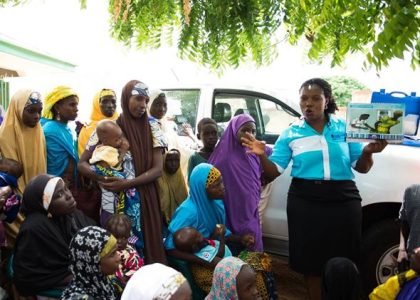
Third, health workers must communicate confidently about vaccine safety. When messages are clear, trust increases.
Finally, data should guide action. States must monitor vaccination rates and quickly respond to gaps.
- Strengthen routine immunization systems. Ensure every child receives the full DTP series on schedule through well-resourced Primary Health Centres (PHCs).
- Promote maternal immunization. Integrate vaccine education into antenatal care, faith communities, and women’s groups.
- Counter misinformation. Launch coordinated public education campaigns in local languages via radio, social media, and community leaders.
- Monitor coverage and gaps. Use data at state and LGA levels to identify under-immunized communities and deploy targeted outreach.
- Support health workers. Provide training and clear messaging so providers confidently communicate vaccine benefits and safety.
REF’s Commitment to Protecting Every Baby
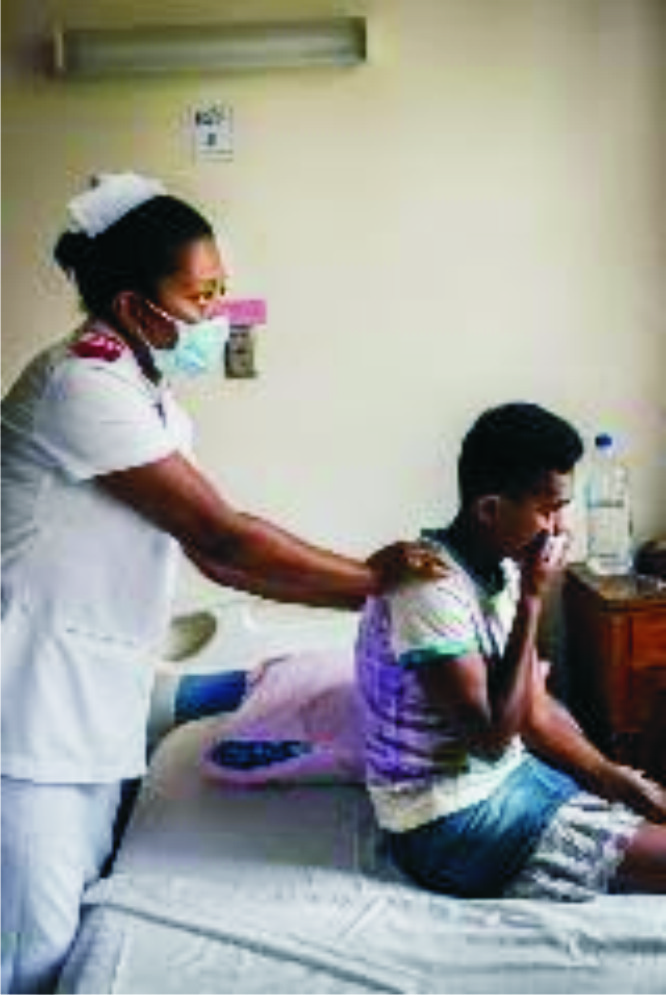
At Rosana Empowerment Foundation (REF), we believe prevention saves lives. Every child deserves a safe and healthy start. Every mother deserves clear and trusted health information.
Recent global reports show that diseases like whooping cough can return when vaccination rates drop. Nigeria must not wait for an outbreak before taking action. That is why REF is strengthening its work in maternal and child health.
Through our “Protect Every Baby” Campaign, we will:
- Raise awareness about maternal and child vaccination in simple, clear language.
- Work closely with Primary Health Centres to support routine immunization and outreach visits.
- Partner with religious and traditional leaders to promote accurate vaccine information.
- Support efforts that make vaccines easier to access in rural and underserved areas.
- Use radio, community meetings, and social media to correct myths and reduce fear.
We know that trust is important. Therefore, we will listen to communities, answer questions, and share facts in ways people understand.
Protecting babies is a shared responsibility. When families, health workers, and community leaders work together, preventable diseases can be stopped.
No child in Nigeria should suffer from a disease that can be prevented.
Together, we can protect every baby.
A Call to Action
Pertussis is preventable. However, prevention requires vigilance.
Parents should ensure their children receive all scheduled vaccines. Pregnant women should speak to their healthcare providers about vaccination.
Together, we can stop whooping cough before it harms another child.
No baby in Nigeria should die from a disease we know how to prevent.