
Girl Child Education | SkyDNews Report
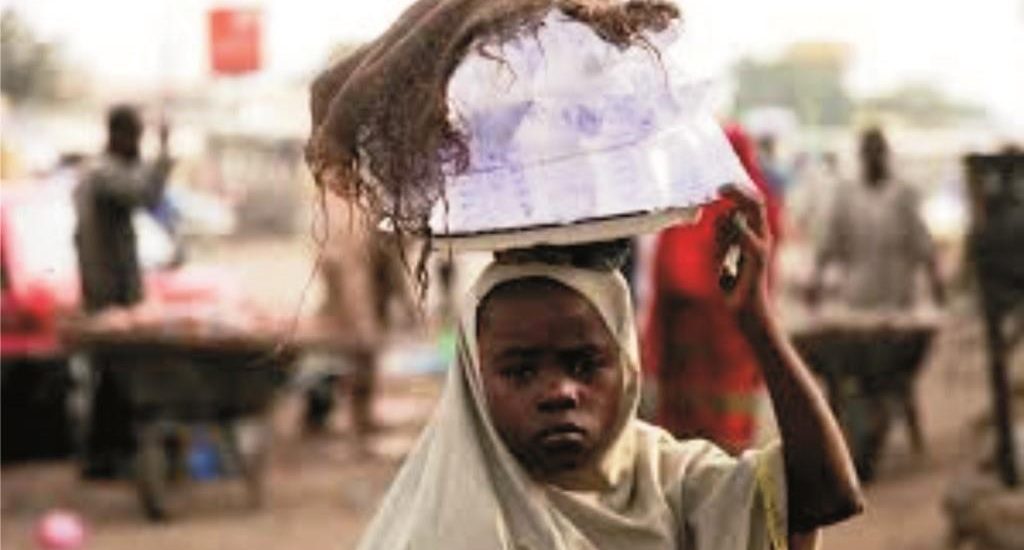
Girl Child Education – Across Nigeria, millions of girls face an uphill battle to access quality education. From urban centres like Lagos and Abuja to rural communities in the North East and North West, the challenges are widespread. Poverty, insecurity, cultural biases, and weak infrastructure continue to limit opportunities for girls to learn. As a result, many are left behind at a critical stage of development.
Consequently, the impact goes beyond the individual. Girls who are denied education often face reduced economic opportunities and limited life choices. In the long term, this deepens social inequality and slows national development.
Similarly, girls in conflict-affected regions around the world, including parts of the Middle East and Pakistan, struggle with disrupted schooling due to war, floods, and economic hardship. However, Nigerian girls face a combination of these challenges at once, making their situation even more urgent.
Therefore, without immediate and sustained intervention, Nigeria risks losing an entire generation of potential leaders, innovators, and change-makers.
Girl Child Education in Nigeria: A National Emergency
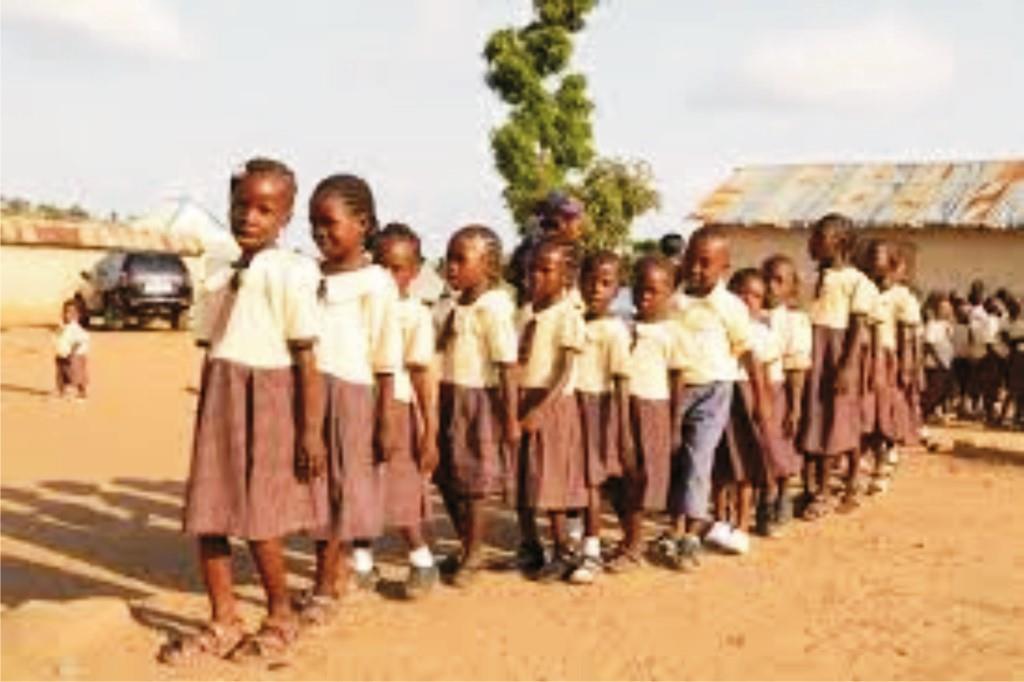
The North East of Nigeria remains the most affected by violence and school disruptions. Boko Haram insurgency has destroyed hundreds of schools, forcing teachers and students to flee. The Chibok abduction in 2014 is a grim reminder of the dangers girls face when simply pursuing education.
According to UNICEF, over 2 million children in the North East remain out of school, with girls disproportionately affected. Organizations like the Girls’ Education Initiative (GEI) and the Safe Schools Programme provide emergency learning spaces, female teacher recruitment, and school supplies to help girls continue learning despite conflict.
Girl Child Education in Northern Nigeria and Insecurity
Even in regions unaffected by conflict, economic barriers remain significant. Families in rural communities across the North West and South East often prioritize boys’ education due to limited resources, leaving girls to drop out early.
Practical interventions, such as scholarships, conditional cash transfers, and bursaries, have proven effective. In Enugu, Imo, Gombe and Bauchi States, the Rosana Empowerment Foundation (REF) through the help of partners provides tuition support, transportation, and learning materials for low-income girls. Recipients of these programmes demonstrate higher school retention and academic performance.
Barriers Facing Girls in Northern Nigeria
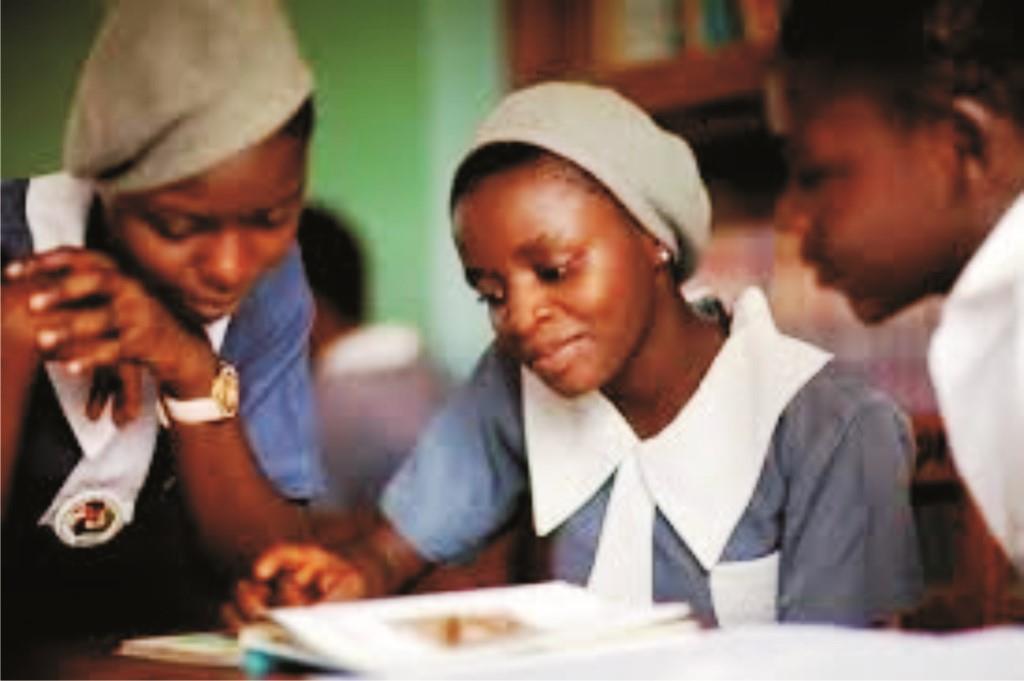
Cultural pressures continue to undermine girls’ education in many parts of Nigeria. Early marriage is a major barrier: girls married before the age of 18 are significantly more likely to drop out of school, perpetuating cycles of poverty and inequality.
Undeniably, community awareness campaigns by organizations like Plan International Nigeria and ActionAid are helping shift these mindsets. By engaging traditional and religious leaders, these programmes encourage families to allow girls to stay in school, emphasizing the long-term benefits to households and communities.
Girl Child Education in Nigeria and Cultural Challenges
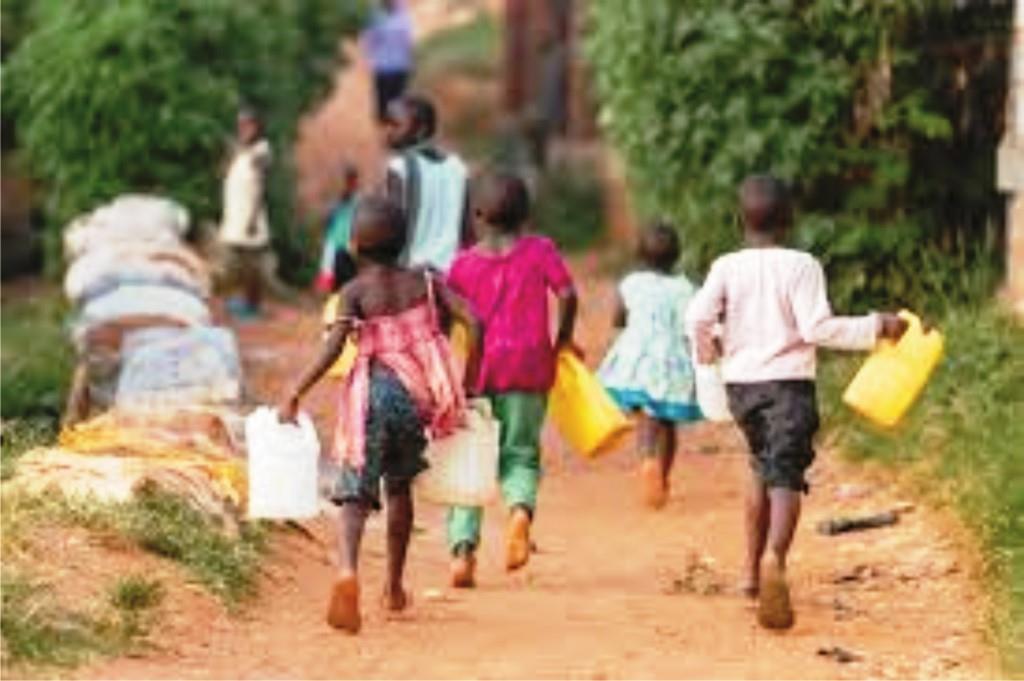
Many schools in Nigeria, especially in rural communities, are inaccessible due to distance, poor road networks, and lack of safe transportation. Girls face additional challenges such as inadequate sanitation, limited female teachers, and unsafe routes to school, all of which discourage attendance.
Government and NGO collaborations are helping address these gaps of girl child education in Nigeria. For instance, boarding facilities and mobile classrooms in Kaduna and Kano States provide safe, accessible learning environments. Female teachers in these schools serve as mentors, promoting confidence and retention among girls.
Girl Child Education in Nigeria and the Need for Infrastructural Improvement
Investing in girl-child education produces ripple effects throughout society. Educated girls are more likely to showcase the importance of girl child education, thus:
- Delay marriage and childbirth
- Enter the workforce and earn higher incomes
- Improve health and nutrition within their families
- Advocate for gender equality and social justice
- Contribute to national economic growth
The World Bank reports that each additional year of secondary education for girls can increase future earnings by 15-25%, highlighting the critical impact of education on both individual and national prosperity.
Improving Infrastructure for Girl Child Education in Nigeria
Ensuring access to education for every girl in Nigeria is not just a moral duty, it is a strategic investment in the nation’s future. Policymakers, communities, and civil society must work together to remove barriers, from insecurity and poverty to cultural constraints and poor infrastructure.
As Ziauddin Yousafzai of the Malala Fund notes, investing in girls is a “sadaqah jariyah”, a lasting act of generosity that benefits generations thereby reducing the challenges of girl child education. For Nigeria, prioritizing girl-child education today is an investment in a safer, more prosperous, and equitable tomorrow.
#GirlChildEducation #EducateGirlsNigeria #EndChildMarriage #EmpowerGirls #EducationForAll #NigeriaEducation