
Nigerian girl child education | Nigerian girl child education remains one of the most urgent challenges facing communities today.
In rural Nigeria, thousands of young girls wake up every morning with dreams bigger than the confines of their homes. Among them is 13-year-old Fatima from a small village in Katsina State. Fatima has always dreamed of becoming a doctor – a symbol of hope, service, and the future she envisions for herself.
But her reality is starkly different.. Her mother, managing a household on meager earnings, cannot afford the cost of school fees, uniforms, or Her father, a subsistence farmer, struggles to make ends meet books. And yet, Fatima’s desire to learn remains unwavering.
The Reality of Nigerian Girl Child Education
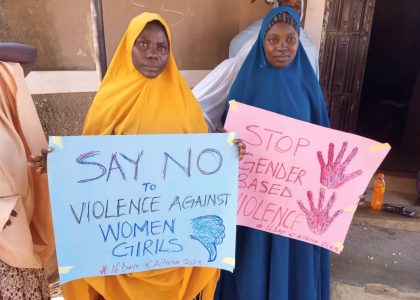
Fatima’s story is heartbreaking, but it is far from unique. Across Nigeria, millions of girls face the same barriers. Poverty, insecurity, and cultural expectations often make education a luxury rather than a right.
In northern states, such as Zamfara and Sokoto, the combination of poverty and conservative gender norms often prioritizes boys’ education over girls. Families may see sending a girl to school as a financial burden with little immediate return. In addition, early marriage remains prevalent, cutting short educational aspirations.
In conflict-prone areas like Borno and Yobe, the threat of insurgency keeps many girls at home, fearful of abduction or violence on their way to school. The 2023 UNICEF report highlights that over 1.5 million children in northeastern Nigeria were out of school due to insecurity, with girls disproportionately affected.
Even in communities without active conflict, systemic barriers exist. Lack of proper sanitation, unsafe learning environments, and insufficient teaching resources make schooling difficult for girls. In Edo State, 12-year-old Blessing dropped out after walking several kilometers daily because her school had no proper toilets or water facilities, making attendance unsafe and uncomfortable.
Why Nigerian Girl Child Education Needs Urgent Support
Consider Mariam from Bauchi State. Mariam excelled in science and mathematics but had to drop out after her father’s illness left the family struggling financially. She is now helping her younger siblings at home, her dream of becoming a doctor postponed indefinitely.
Or Chidinma from Ebonyi State, who walked over three kilometers every day to attend school. Despite her courage and resilience, she left school because the nearest secondary school lacked female-friendly facilities. Stories like these are repeated across rural Nigeria, painting a vivid picture of how systemic challenges crush potential.
The Transformative Power of Support Systems
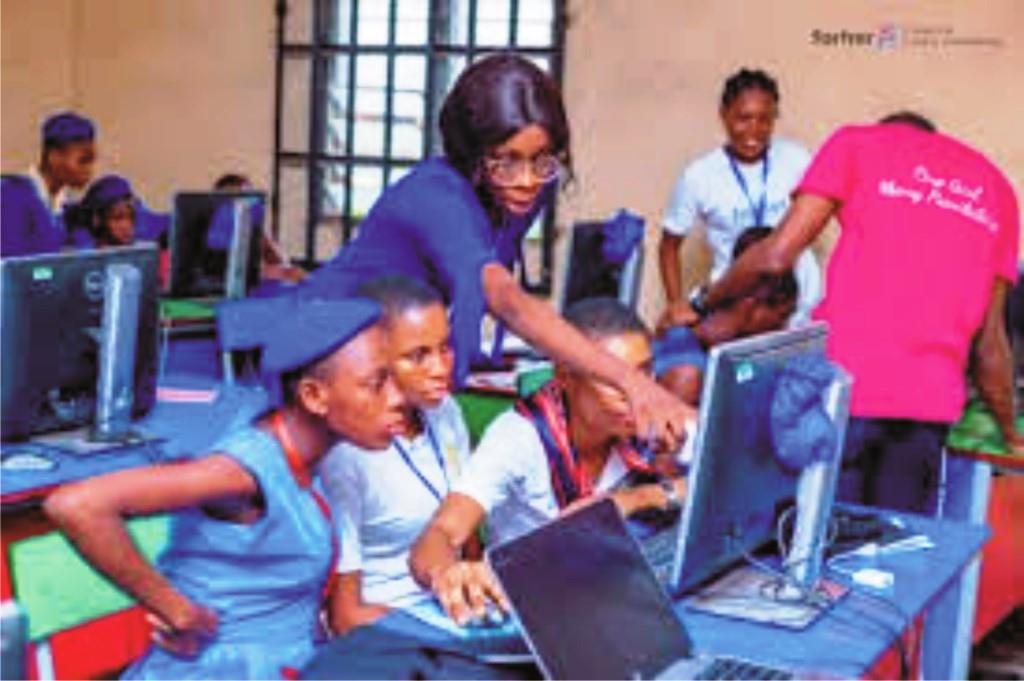
Yet, there is hope. Communities and organizations that provide support systems, scholarships, safe school environments, mentorship, and advocacy, are rewriting these stories.
In Sokoto, a local NGO partnered with community leaders to provide scholarships for girls from low-income families. Girls who were once bound by domestic responsibilities are now attending school, excelling academically, and dreaming bigger than ever.
In Kaduna State, mentorship programmes connect professional women with girls in rural areas. Fatima herself benefited from a mentorship initiative run by a women’s empowerment organization. With guidance, encouragement, and practical support, she can now see a pathway toward her medical aspirations.
How Awareness and Action Can Make a Difference
The question is, what can you do to turn heartbreak into hope?
- Raise Awareness – Share stories like Fatima’s to highlight the importance of girls’ education. Awareness can shift community perceptions and inspire collective action.
- Support Educational Programmes – Donate, volunteer, or advocate for programmes providing scholarships, mentorship, or school supplies.
- Mentorship – Offer guidance and encouragement to girls in your community, helping them navigate challenges and stay in school.
- Policy Advocacy – Engage with policymakers to prioritize safe and inclusive educational policies, especially in marginalized communities.
- Invest in Infrastructure – Schools with proper sanitation, libraries, and learning materials are more likely to retain girls. Communities can collaborate to improve facilities.
Every small act of support counts. By helping girls access education, you are not just changing individual lives, you are empowering future leaders, healers, and innovators.
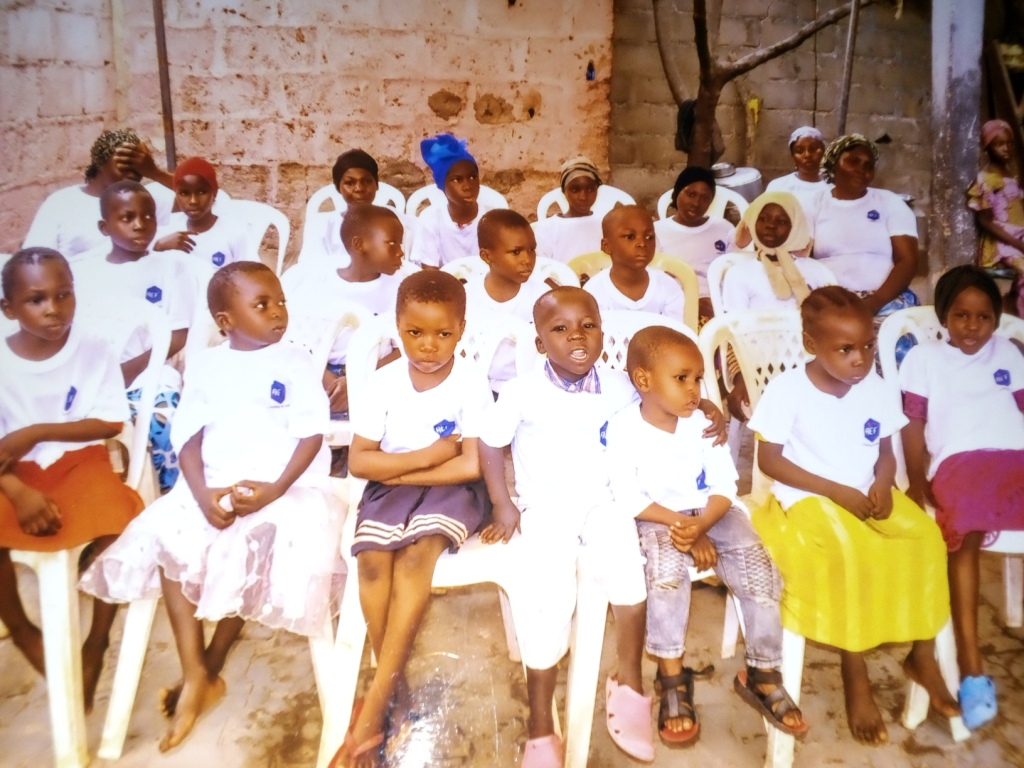
Turning Heartbreak into Hope
Fatima’s dream of becoming a doctor is no longer out of reach. With the right support, mentorship, and community action, girls like her can transform despair into achievement, turning silent struggles into inspiring stories of success.
Education is not just a privilege; it is a right, a catalyst for societal change, and a tool to break cycles of poverty and marginalization. Every girl educated is a community strengthened. The time to act to boost Nigerian girl child education, is now.
#GirlsEducation #EmpowerGirls #NigeriaEducation #EndChildMarriage #EducationForAll #TakeAction