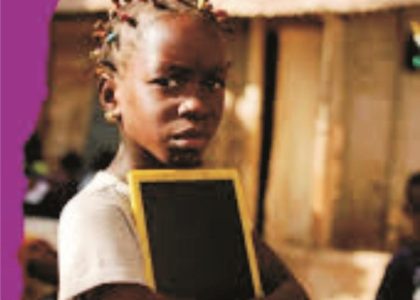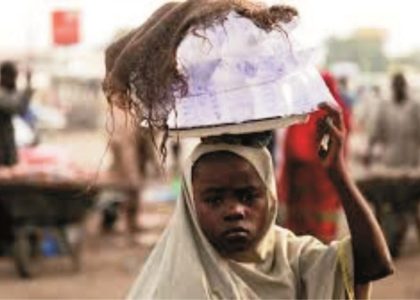

Nigerian girl child education remains a critical challenge as thousands of girls face barriers to attending school across the country. It is often assumed that education is a universal right, accessible to all children. But the reality in Nigeria paints a starkly different picture. Thousands of girls across the country remain out of school, their dreams stifled by circumstances beyond their control.
In the northern states, where poverty and cultural barriers are most pronounced, girls like 14-year-old Zainab from Jigawa face an uphill battle. Zainab dreams of becoming a teacher, yet each day she must choose between helping her family with household chores or pursuing her education. Her village is hours away from the nearest secondary school, and the route is unsafe, especially for young girls traveling alone.
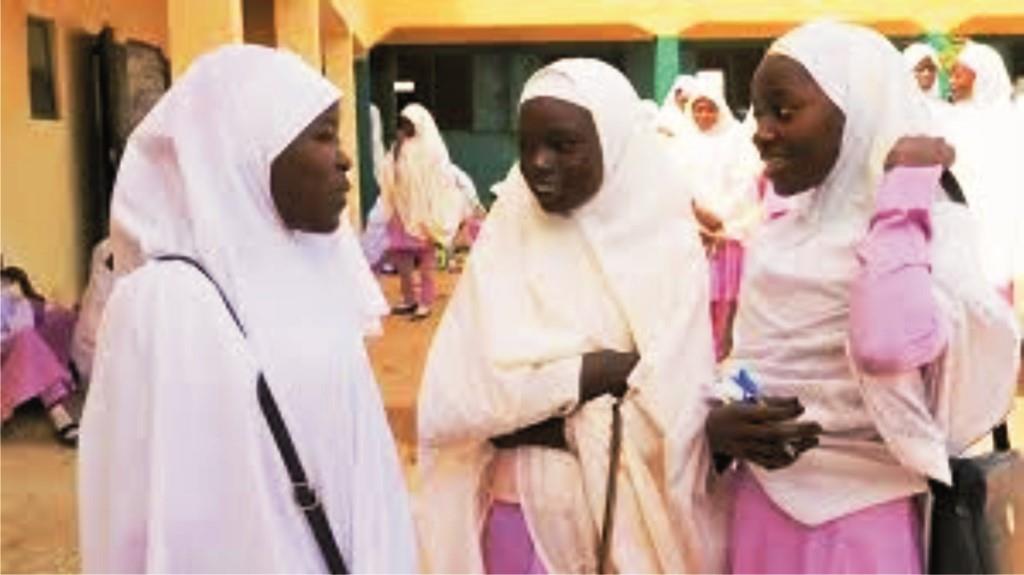
Nigerian Girl Child Education: Understanding the Barriers
1. Unsafe Routes and Insecurity: For many girls, simply reaching school is a dangerous endeavour. Kidnappings, insurgency, and communal violence have forced parents to keep their daughters at home. According to UNICEF, in conflict-affected regions like Borno, Yobe, and Adamawa, over 1.2 million children were out of school in 2023, with girls disproportionately affected.
2. Poverty and Financial Constraints: Even in relatively peaceful areas, financial hardship prevents girls from attending school. Families struggling to afford school fees, uniforms, and learning materials often prioritize boys’ education, believing that boys will provide long-term economic support.
3. Cultural Norms and Early Marriage: Early marriage continues to limit girls’ educational opportunities. In many communities, girls are married off as young as 13 or 14, abruptly ending their schooling. This practice not only denies them education but perpetuates cycles of poverty and inequality.
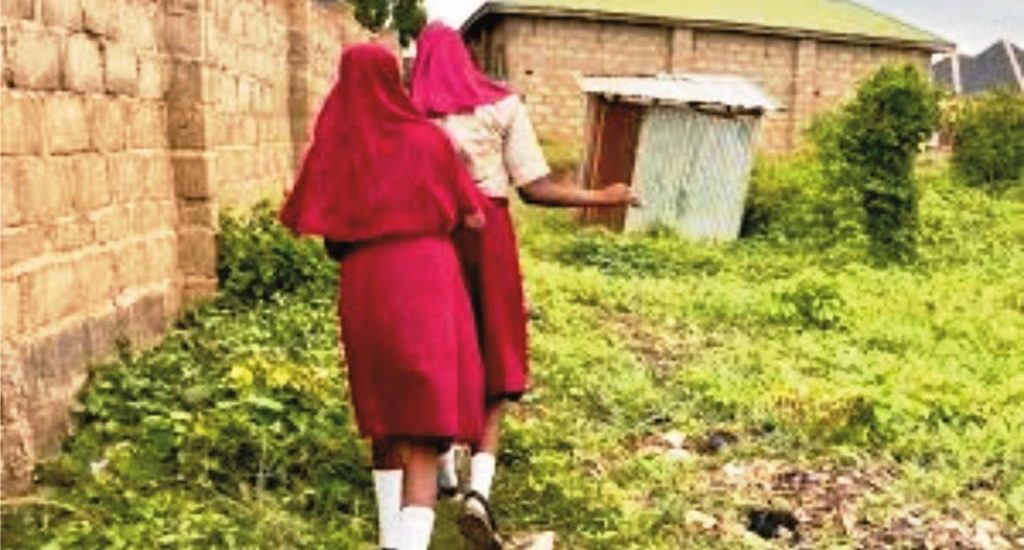
4. Inadequate School Infrastructure: Lack of sanitation facilities, libraries, and female-friendly learning environments often discourages girls from attending school. In rural Edo and Ebonyi States, girls have dropped out simply because schools lacked proper toilets or private spaces, making attendance unsafe and uncomfortable.
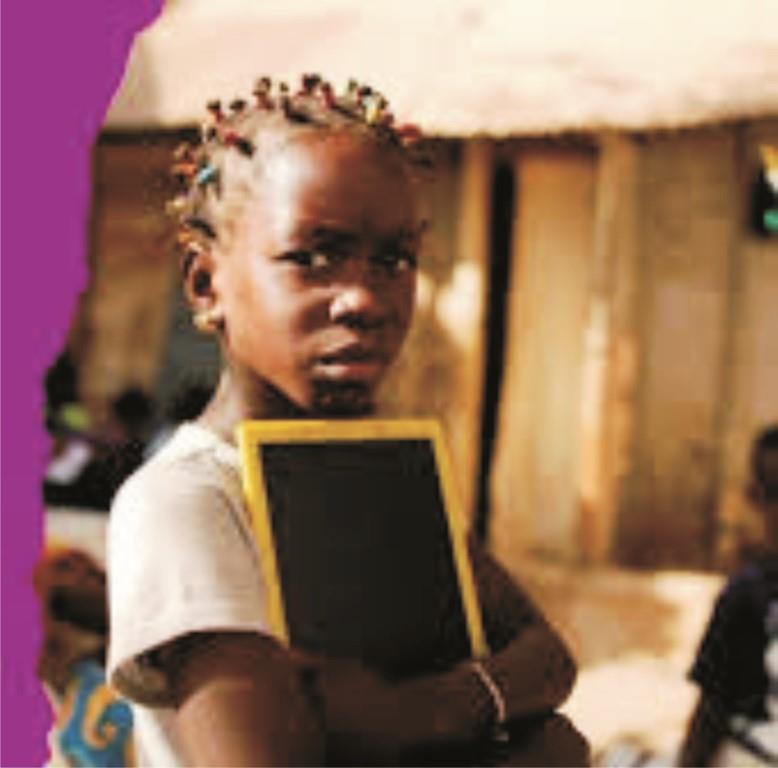
True-Life Stories That Demand Action
Consider Aisha from Zamfara State. A bright student with a love for science, she dreamed of becoming a doctor. But after repeated threats of insurgent attacks near her village, her parents pulled her out of school for safety reasons. Her story is not unique; it echoes the experiences of countless girls across northern Nigeria.
Or Chidinma from Ebonyi State, who walked over three kilometers daily to reach school. Despite her determination and excellent performance, she dropped out after her community could not provide safe and sanitary learning facilities. Stories like these underscore the harsh realities that prevent girls from achieving their full potential.
Nigerian Girl Child Education: Successful Interventions That Inspire Hope
While the situation is alarming, targeted interventions demonstrate that change is possible.
- Community-Led Scholarship Programmes: In Sokoto, a local NGO provides scholarships to girls from low-income families, enabling them to attend school and pursue careers. Girls once trapped in domestic labour are now thriving academically.
- Safe School Initiatives: In Kaduna State, programmes have established safe transport routes and gender-sensitive school facilities. This approach ensures girls can attend school without fear of harassment or insecurity.
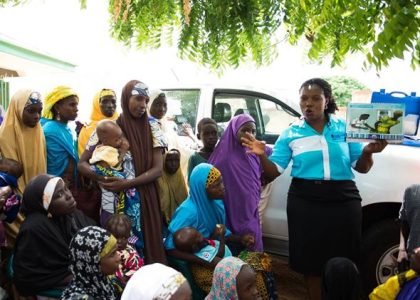
- Mentorship and Role Models: Connecting girls with professional women in medicine, education, and entrepreneurship has a profound impact. Mentorship programmes inspire girls to aim higher and remain committed to their education, just like Fatima, who now aspires to become a doctor thanks to a community mentorship initiative.
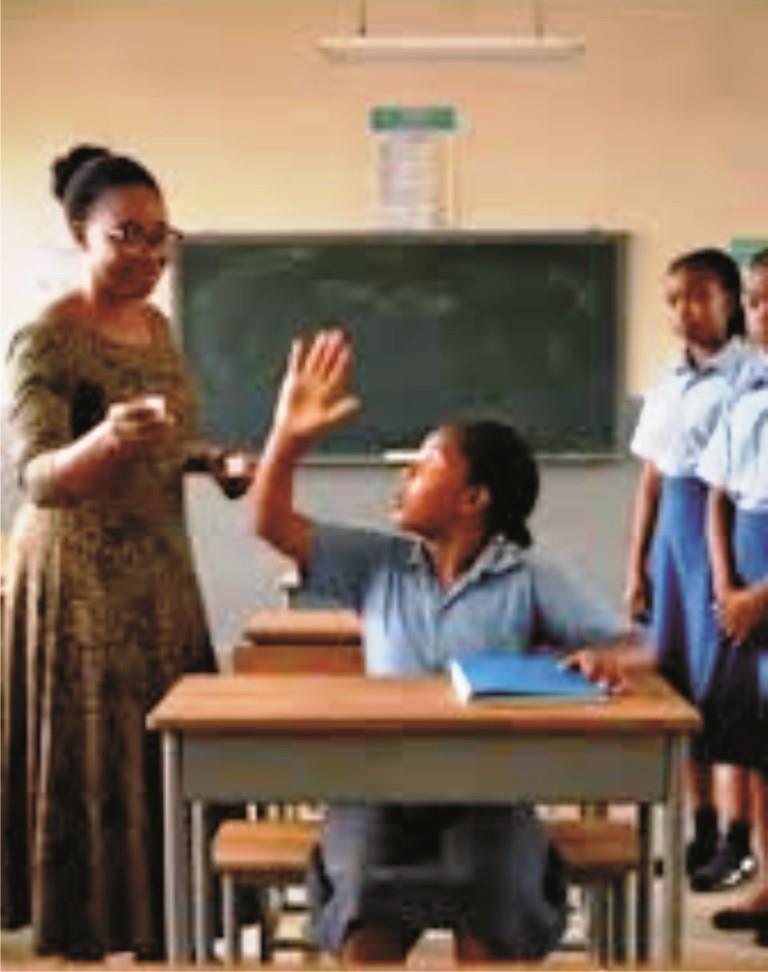
How You Can Help Turn the Tide
The crisis may feel overwhelming, but individual and community actions can make a tangible difference:
- Advocate for Girls’ Education: Speak up in your community and online, highlighting the importance of keeping girls in school.
- Support NGOs and Community Initiatives: Contribute to organizations that provide scholarships, mentorship, and safe school infrastructure.
- Mentor Girls in Your Community: Offer guidance, encouragement, and tutoring to girls struggling to stay in school.
- Engage Policy Makers: Push for laws and policies that protect girls’ education, prevent early marriage, and improve school infrastructure.
- Invest in Safe Learning Environments: Communities can collectively ensure schools are equipped with sanitation, learning materials, and security measures.
Every action, no matter how small, can transform lives. Educating one girl not only empowers her but also uplifts families, strengthens communities, and fosters societal progress.
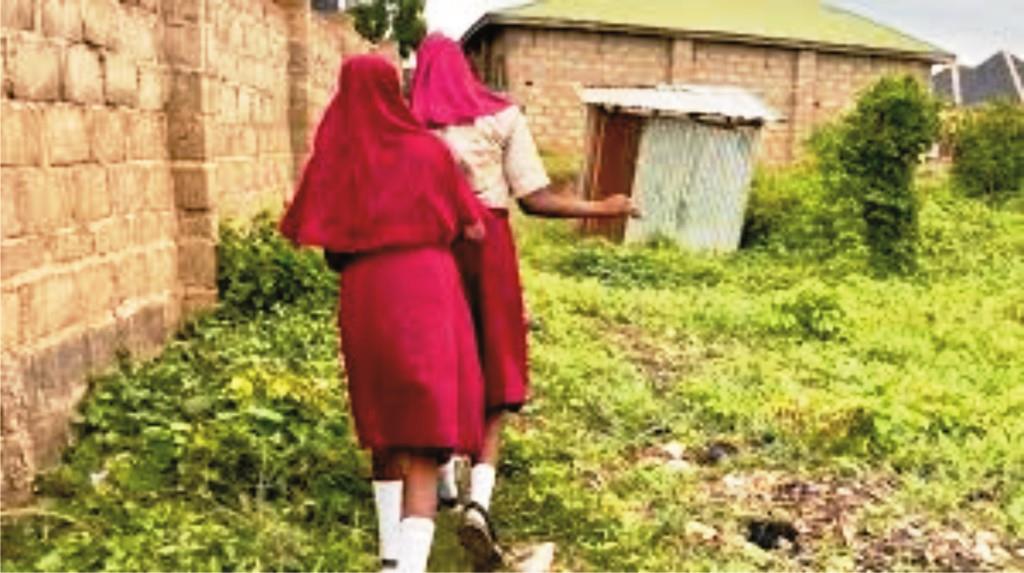
Nigerian Girl Child Education: The Call to Action
Thousands of Nigerian girls remain out of school, but their stories don’t have to end in heartbreak. With awareness, community support, and targeted interventions, these girls can achieve their dreams, pursue careers, and contribute to the nation’s growth.
Education is the most powerful tool we have to break cycles of poverty, inequality, and marginalization. The time to act is now, no girl should be denied her right to learn.
#GirlsEducation #EmpowerGirls #NigeriaEducation #EndChildMarriage #EducationForAll #TakeAction