

Out-of-school girls Nigeria represent one of the most urgent education challenges, with millions facing barriers that keep them away from classrooms. Numbers often dominate conversations about education in Nigeria, millions of children out of school, alarming statistics, and policy gaps. But behind every number is a name, a face, and a story that deserves to be heard.
Across Nigeria, especially in underserved rural and conflict-affected communities, girls are fighting silent battles for education. Their struggles are not abstract, they are deeply personal, shaped by poverty, insecurity, and cultural expectations. Yet within these stories lies not just pain, but resilience, and a powerful opportunity for change.
Challenges Facing Out-of-School Girls Nigeria
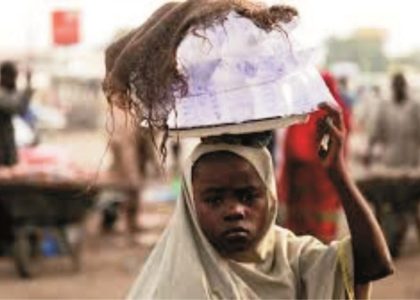
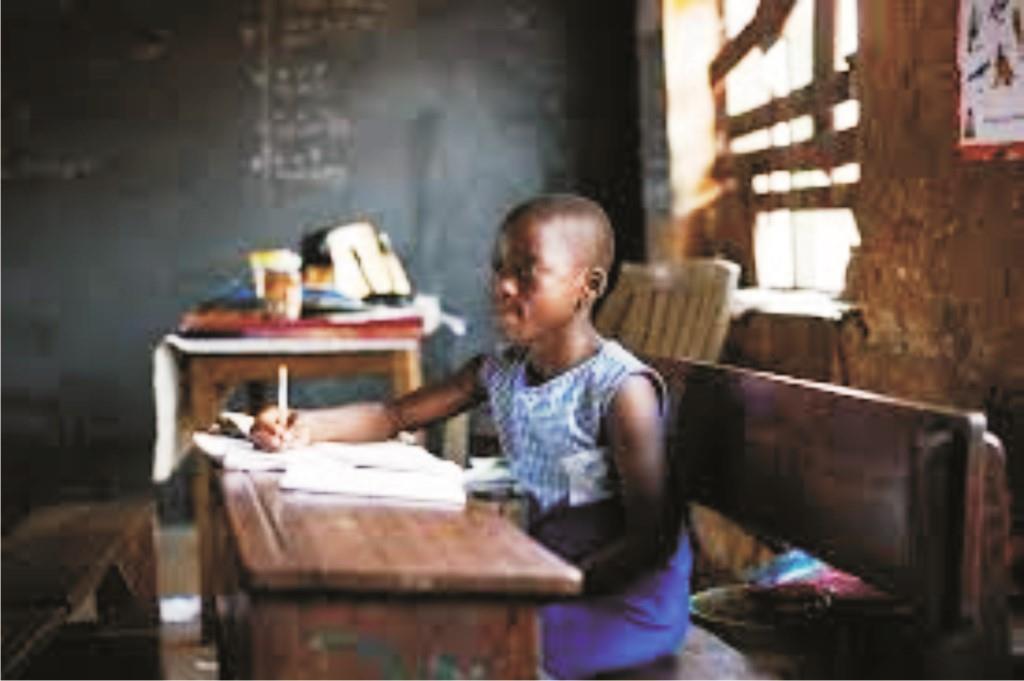
The crisis of out-of-school girls Nigeria continues to grow. In Gombe State, 13-year-old Safiya once walked two kilometers every morning with her books tightly held against her chest. She loved school, especially reading and science. But when her mother fell ill and her father’s income became unstable, Safiya had to stay home to care for her younger siblings. Days turned into months, and her return to school became uncertain.
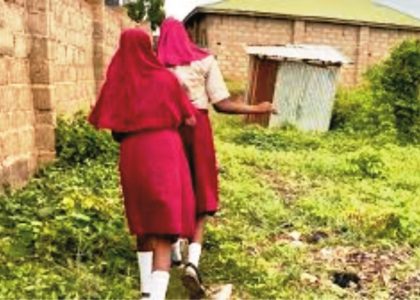
In Delta State, 12-year-old Ese faced a different challenge. Her school had no clean water or functional toilets. Each month, she missed several days of school due to poor sanitation facilities. Eventually, the discomfort and embarrassment pushed her to drop out entirely.
Stories of out-of-school girls Nigeria reveal deep inequalities. In Sokoto, Hauwa’s story is shaped by tradition. Despite her eagerness to learn, she was withdrawn from school and prepared for early marriage. Her dreams of becoming a teacher were replaced with responsibilities she was not ready for.
These stories are not isolated, they are echoes of a national crisis affecting millions of girls.
Why These Stories Matter
When we listen to these stories, we begin to understand the depth of the crisis. Education is not just about classrooms and textbooks, it is about dignity, opportunity, and the right to dream.
Each girl denied education represents:
- A future professional lost to circumstance
- A family that may remain trapped in poverty
- A community deprived of leadership and innovation
When girls are educated, the benefits extend far beyond the individual. Educated girls are more likely to earn higher incomes, delay early marriage, and raise healthier families. Their impact is generational.
The Root Causes We Must Confront
1. Poverty: For many families, survival takes precedence over education. Girls are often the first to be withdrawn when resources are limited.
2. Insecurity: In regions affected by violence and instability, the journey to school becomes a risk many families are unwilling to take.
3. Cultural Norms: Deeply rooted beliefs about gender roles continue to limit girls’ access to education, particularly in rural areas.
4. Lack of Infrastructure: Schools without basic facilities, clean water, toilets, safe classrooms, create environments where girls cannot thrive.
The Power of Intervention
Despite these challenges, change is happening where people choose to act.
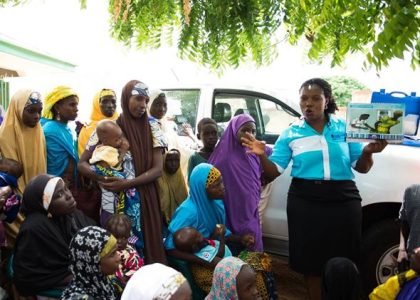
In Kaduna State, community-driven initiatives have provided safe learning spaces and sanitation facilities, encouraging girls to return to school. Attendance rates have improved, and girls are completing their education.
In Lagos, mentorship programmes are connecting young girls with female professionals who inspire them to pursue careers in medicine, law, and technology.
Scholarship programmes across northern Nigeria are giving girls like Safiya a second chance, covering school fees, providing materials, and restoring hope.
These interventions prove one thing: when support systems exist, stories change.
How We Can Support Out-of-School Girls Nigeria
Change does not begin with governments alone, it begins with individuals who choose to care and act.
- Listen and Share Stories: Amplify the voices of girls whose struggles often go unheard.
- Support Education Initiatives: Contribute to programmes providing scholarships, school supplies, and safe learning environments.
- Mentor a Girl: Offer guidance, encouragement, and support to girls in your community.
- Advocate for Policy Change: Engage leaders to prioritize girl-child education and enforce protective laws.
- Invest in Schools: Support projects that improve infrastructure, especially in rural areas.
Every action, no matter how small, can rewrite a story.
A Call to See Beyond the Numbers
Behind every out-of-school girl in Nigeria is a story you need to hear, and a future worth fighting for.
When we move beyond statistics and truly listen, we begin to see the urgency, the humanity, and the possibility for change.
Education is more than a right, it is a lifeline. And when we choose to act, we transform not just one story, but an entire generation.
#GirlsEducation #OutOfSchoolChildren #NigeriaEducation #EmpowerGirls #EducationForAll #TakeAction