
By Rosana Empowerment Foundation (REF)
Birshi Gandu Community, located within Bauchi Local Government Area of Bauchi State, is witnessing remarkable progress as Rosana Empowerment Foundation (REF) continues implementing community-driven interventions aimed at reducing poverty and improving the quality of life of vulnerable households.
Poverty remains one of the greatest barriers to sustainable development in many underserved communities across Nigeria. It affects access to education, healthcare, adequate nutrition, decent employment, and opportunities for women and young people to realize their full potential. Recognizing these interconnected challenges, REF has adopted an integrated approach that combines economic empowerment, skills acquisition, financial inclusion, cooperative development, nutrition education, and community resilience.
At the heart of these efforts is the Mothers for Education: Economic Empowerment and Community Nutrition Initiative, a flagship programme designed to strengthen household incomes while promoting better nutrition and supporting children’s education.
Understanding Poverty Beyond Income
For many families in Birshi Gandu, poverty extends beyond the absence of money. It affects every aspect of daily life, from the ability to provide nutritious meals and pay school expenses to accessing healthcare and investing in small businesses.
Women, particularly widows, single mothers, caregivers, and unemployed youth, often face significant barriers to earning sustainable incomes. Limited vocational skills, inadequate access to financial services, and weak market linkages further compound these challenges.
Rosana Empowerment Foundation believes that sustainable poverty reduction requires empowering individuals with the knowledge, skills, confidence, and support systems necessary to become economically self-reliant.
A Community-Led Approach to Sustainable Development
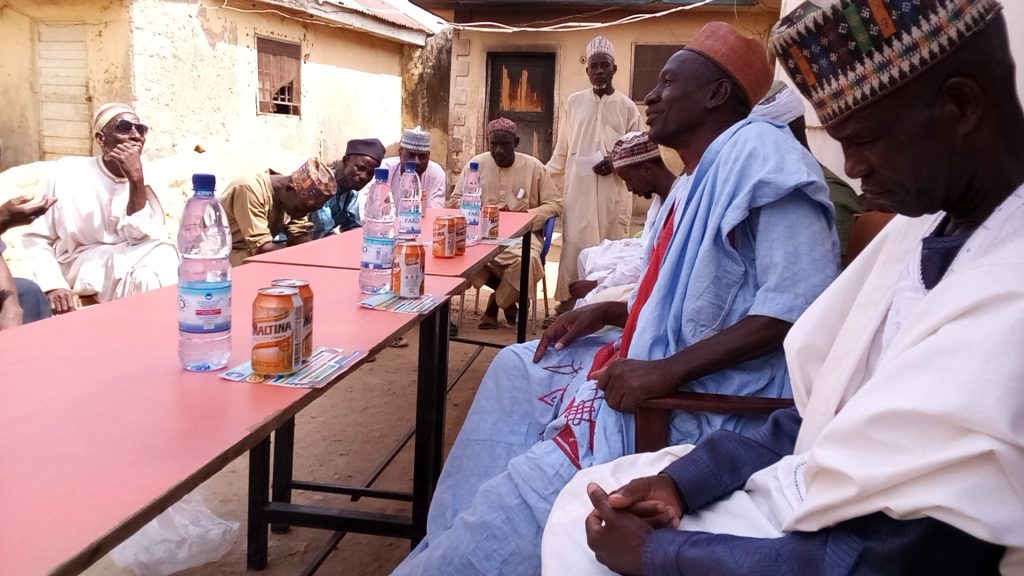
Rather than providing short-term assistance alone, REF works alongside community leaders, women’s groups, youth associations, local institutions, and development partners to build lasting solutions.
Every intervention begins with community consultations and needs assessments to ensure programmes respond to locally identified priorities.
The Foundation encourages community ownership throughout planning, implementation, monitoring, and evaluation.
Empowering Women Through Skills Development
Women remain central to REF’s poverty reduction strategy because strengthening women’s economic capacity directly improves household welfare, children’s education, and community resilience.
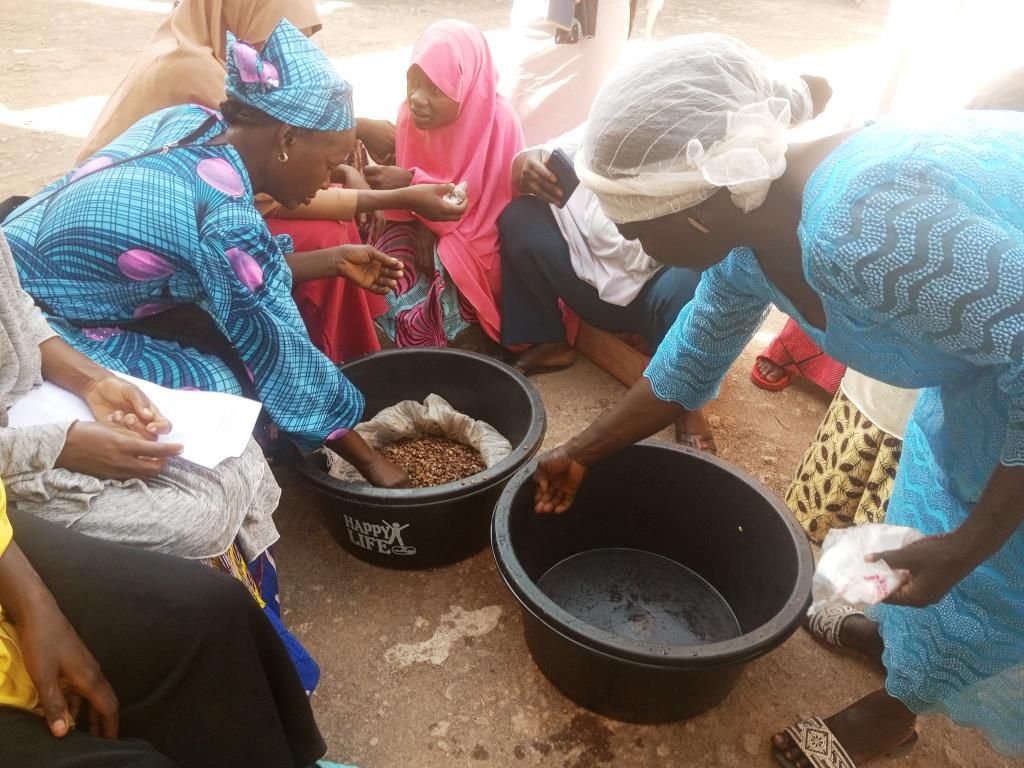
The Foundation organized practical vocational and entrepreneurship training sessions where participants acquired market-oriented skills capable of generating sustainable income.
Training areas included:
- Liquid soap production
- Bar soap production
- Detergent production
- Bleach production
- Disinfectant production
- Air freshener production
- Handwash production
- Household cleaning products
- Packaging and branding
- Small business management
Beyond technical production skills, participants received guidance on pricing, customer relations, business planning, product quality, marketing strategies, and enterprise sustainability.
These practical sessions enabled beneficiaries to begin viewing themselves not merely as job seekers but as entrepreneurs capable of creating employment opportunities within their communities.
Building Financial Literacy for Long-Term Success
Economic empowerment extends beyond acquiring vocational skills.
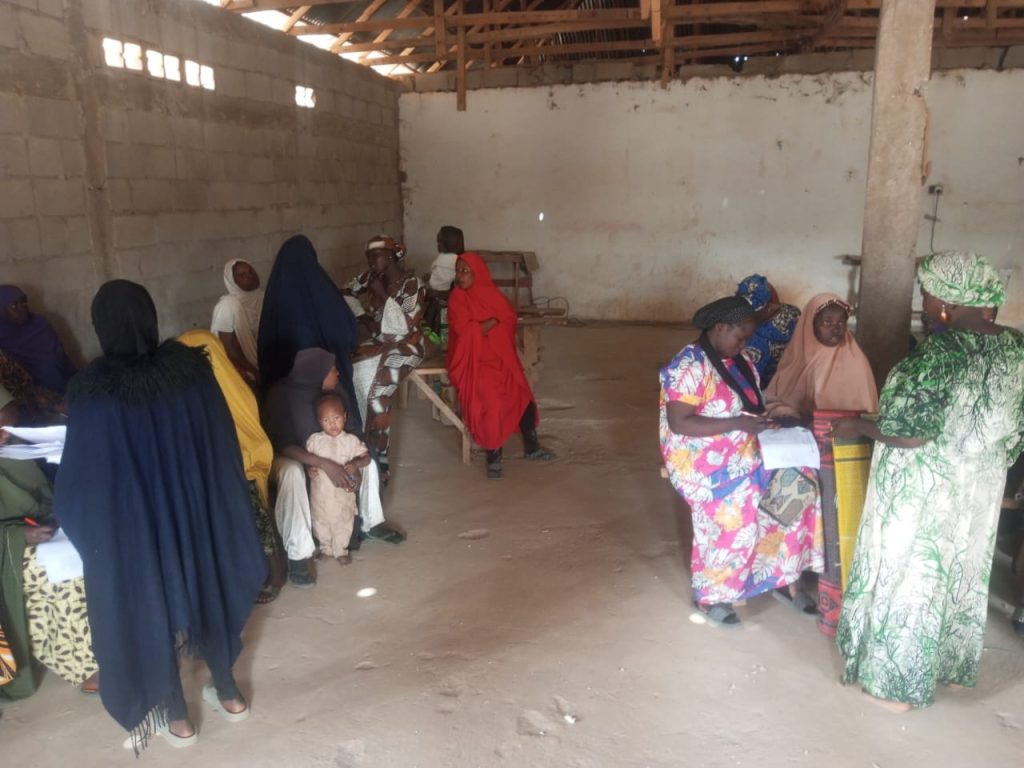
REF integrated financial literacy into the programme to help beneficiaries effectively manage household finances and business income.
Training sessions covered:
- Budget preparation
- Household financial planning
- Savings culture
- Record keeping
- Cash flow management
- Business profit calculation
- Responsible borrowing
- Investment planning
Participants learned how disciplined financial management contributes to business growth and improved household stability.
Many women reported that financial literacy helped them better prioritize family needs while strengthening their confidence in managing small enterprises.
Promoting Cooperative Development
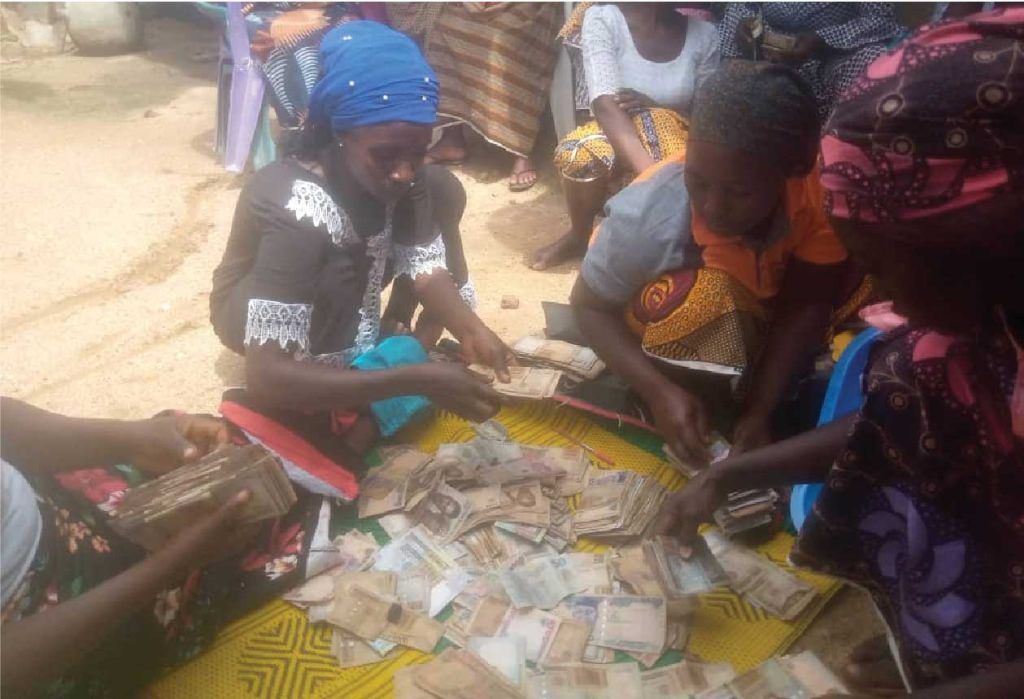
Recognizing the strength of collective action, REF facilitated the organization and strengthening of women’s cooperative groups.
Through cooperative structures, beneficiaries are encouraged to:
- Save regularly
- Support one another
- Access larger markets
- Purchase production materials collectively
- Share knowledge and experience
- Strengthen bargaining power
- Build long-term financial resilience
Cooperative membership also creates opportunities for peer mentoring, accountability, and continued learning long after formal training activities have concluded.
Strong community institutions remain one of the most effective mechanisms for sustaining poverty reduction initiatives.
Improving Household Nutrition
Economic empowerment alone cannot eliminate poverty if families continue to suffer poor nutrition.
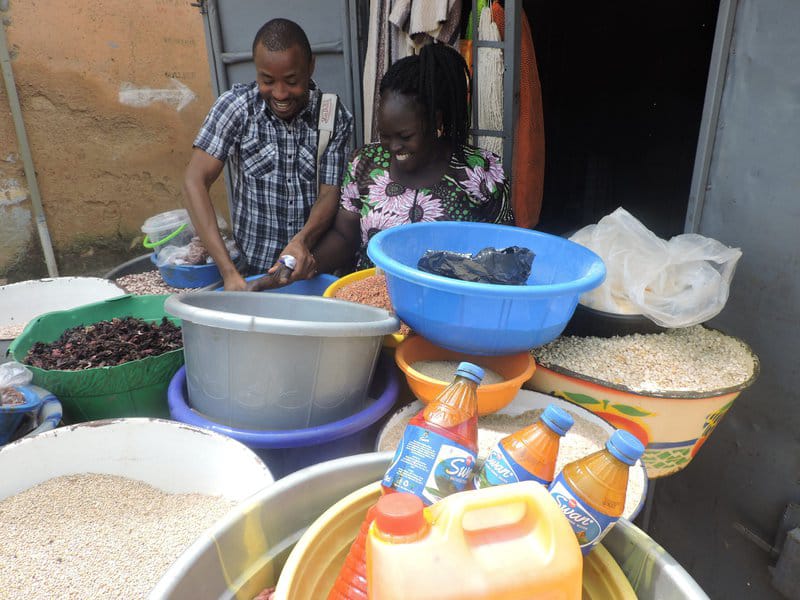
REF therefore integrated nutrition education into livelihood programming to help households maximize the benefits of increased income.
Nutrition sessions focused on:
- Balanced diets
- Child nutrition
- Maternal nutrition
- Infant feeding practices
- Food hygiene
- Safe food preparation
- Locally available nutritious foods
- Prevention of malnutrition
Mothers learned practical ways of improving family nutrition using affordable local food resources without increasing household expenditure significantly.
Supporting Children’s Education
One of the most important outcomes of women’s economic empowerment is improved educational opportunities for children.
Many beneficiaries acknowledged that increased household income made it easier to:
- Purchase school materials
- Pay school-related expenses
- Provide nutritious meals
- Reduce child labour
- Encourage regular school attendance
REF continues to advocate that every child deserves access to quality education regardless of household economic status.
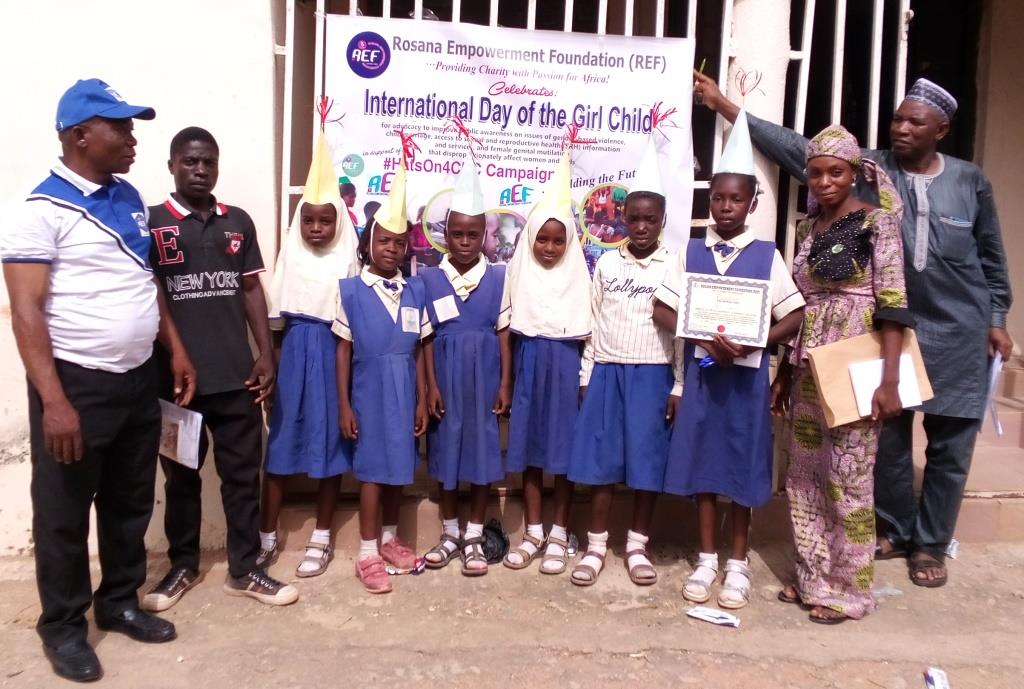
Youth Skills Development
Young people were not left behind.
REF organized employability and entrepreneurship sessions aimed at helping unemployed youth develop practical livelihood skills.
Participants were encouraged to explore:
- Small business opportunities
- Vocational careers
- Self-employment
- Cooperative membership
- Community enterprise development
The initiative seeks to reduce youth unemployment while promoting productive community engagement.
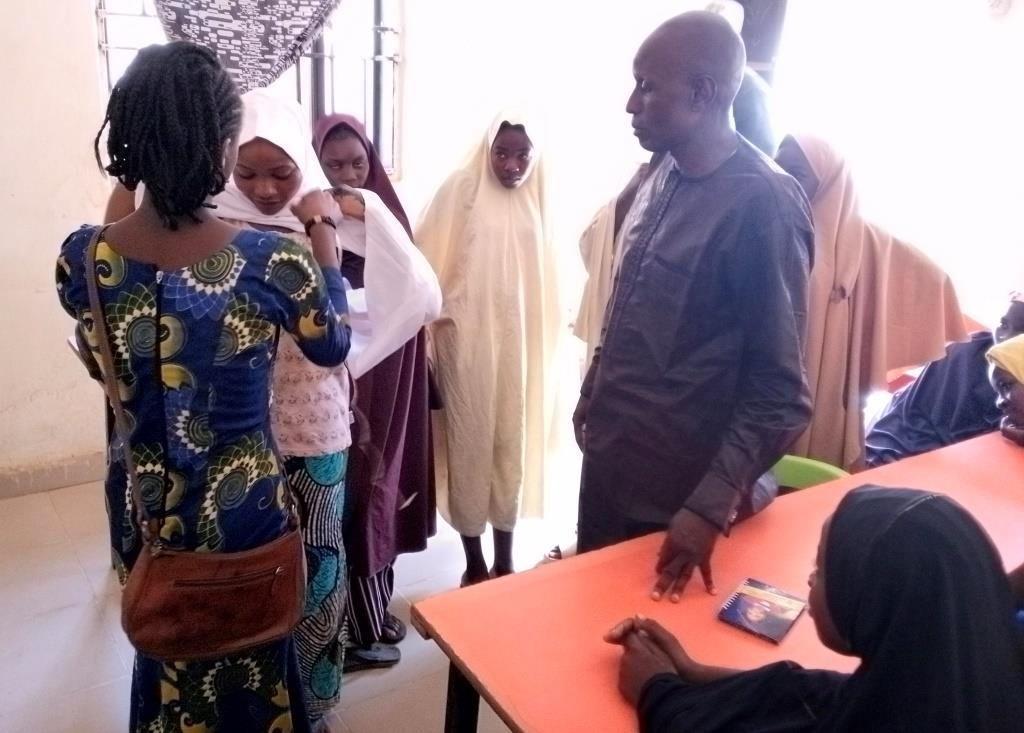
Strengthening Household Resilience
The Foundation recognizes that resilient households are better able to withstand economic shocks.
Its integrated approach therefore strengthens multiple aspects of family wellbeing simultaneously, including:
- Household income
- Nutrition
- Education
- Financial management
- Social support
- Community participation
By addressing several challenges together, beneficiaries experience broader and more sustainable improvements.
Community Voices
Several women expressed appreciation for the programme, describing it as an opportunity to regain confidence and hope.
Rabiatu Adam
“Before joining the programme, I depended entirely on occasional support from relatives. Today, I have acquired practical business skills, joined a women’s cooperative, and started producing cleaning products that generate income for my family.”

I have acquired practical business skills – Rabiatu Adam
Salisu Adamu (Tafidan Birshi Gandu)
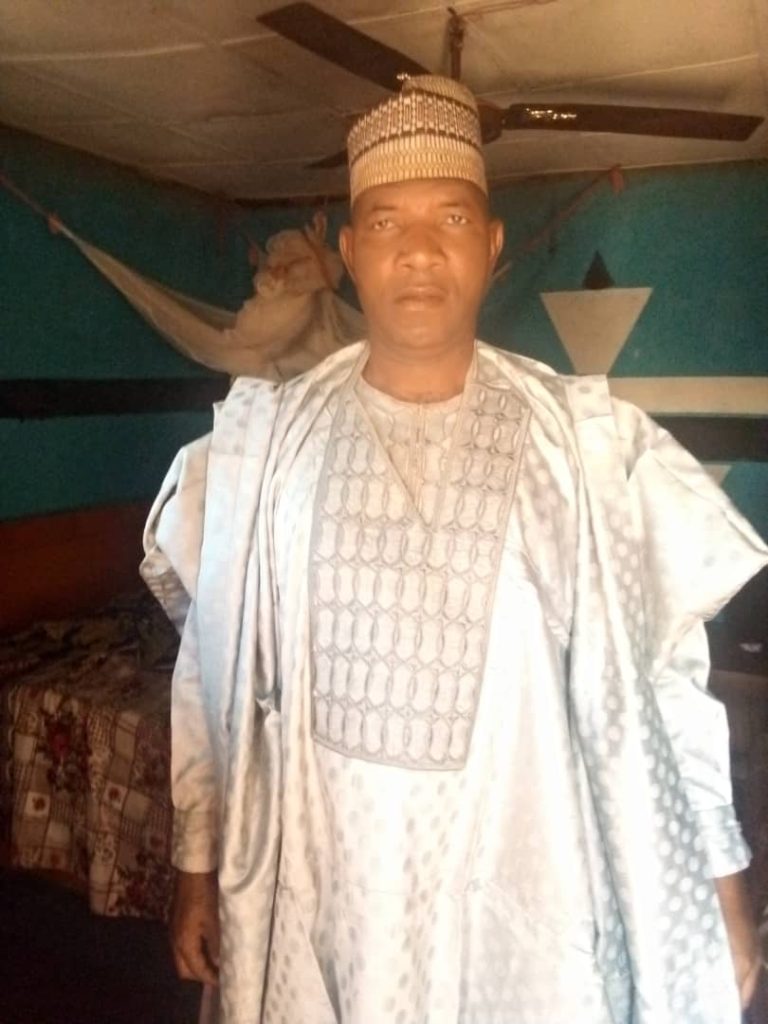
“This programme is changing lives because it empowers people with knowledge rather than creating dependency. Women now believe they can support their families through honest work.”
Measuring Impact
REF maintains a strong Monitoring, Evaluation, Accountability and Learning (MEAL) system to monitor programme performance and improve implementation.
Monitoring tools include:
- Beneficiary registration
- Training attendance records
- Enterprise monitoring visits
- Household assessments
- Community feedback mechanisms
- Focus group discussions
- Post-training follow-up visits
These systems ensure accountability while generating evidence for continuous improvement.
Partnerships That Strengthen Impact
REF continues collaborating with government institutions, community leaders, civil society organizations, development partners, and local stakeholders to expand sustainable livelihood opportunities.
Through strategic partnerships, the Foundation promotes inclusive development while ensuring interventions respond to community priorities.
Looking Ahead
Building on lessons learned from Birshi Gandu, REF intends to expand integrated poverty reduction programmes to additional underserved communities across Bauchi State and beyond.
Future priorities include:
- Expanding women’s livelihood programmes
- Strengthening farmer cooperatives
- Supporting youth entrepreneurship
- Promoting digital financial inclusion
- Scaling nutrition education
- Increasing market access for women-led enterprises
- Enhancing community resilience through sustainable livelihoods
The Foundation remains committed to empowering vulnerable populations with practical solutions that foster dignity, self-reliance, and long-term development.
Conclusion
Poverty reduction requires more than temporary assistance, it demands sustainable investments in people, skills, institutions, and opportunities.
Through its integrated approach to women’s empowerment, youth development, cooperative strengthening, financial literacy, nutrition education, and community engagement, Rosana Empowerment Foundation is helping vulnerable households in Birshi Gandu build brighter and more resilient futures.
As the Foundation continues expanding its reach, it remains dedicated to its vision of creating inclusive communities where every individual has the opportunity to thrive, contribute, and live with dignity.